
We’ve been to Rome six times now, and at some point along the way, we stopped trying to outsmart it.
Four of those trips, we’ve followed this exact three-day plan…usually with different friends or family in tow. And every time, it lands. Not because it’s packed with hidden gems or clever detours, but because it strikes the right balance: the hits, the rhythm, and just enough breathing room to let Rome do what Rome does.
If you’re seeing the city for the first time (or bringing someone who is) this is the one we trust.
Day 1: Ease Into It (and Let Rome Introduce Itself)
You’ll arrive tired. That’s unavoidable. The goal on Day 1 isn’t to conquer Rome, it’s to get oriented without burning out.
We’ve noted that the Rick Steves Audio Europe is one of our favorite apps. Rome is a great time to use this app. There are multiple audio guides available that really help understand all that you are looking at… and they are free. We always start with the Rick Steves Heart of Rome walk. It’s a smart, no-friction way to move through the historic core while letting the city unfold naturally.
The route takes you through:
Campo de’ Fiori
Past Palazzo Farnese
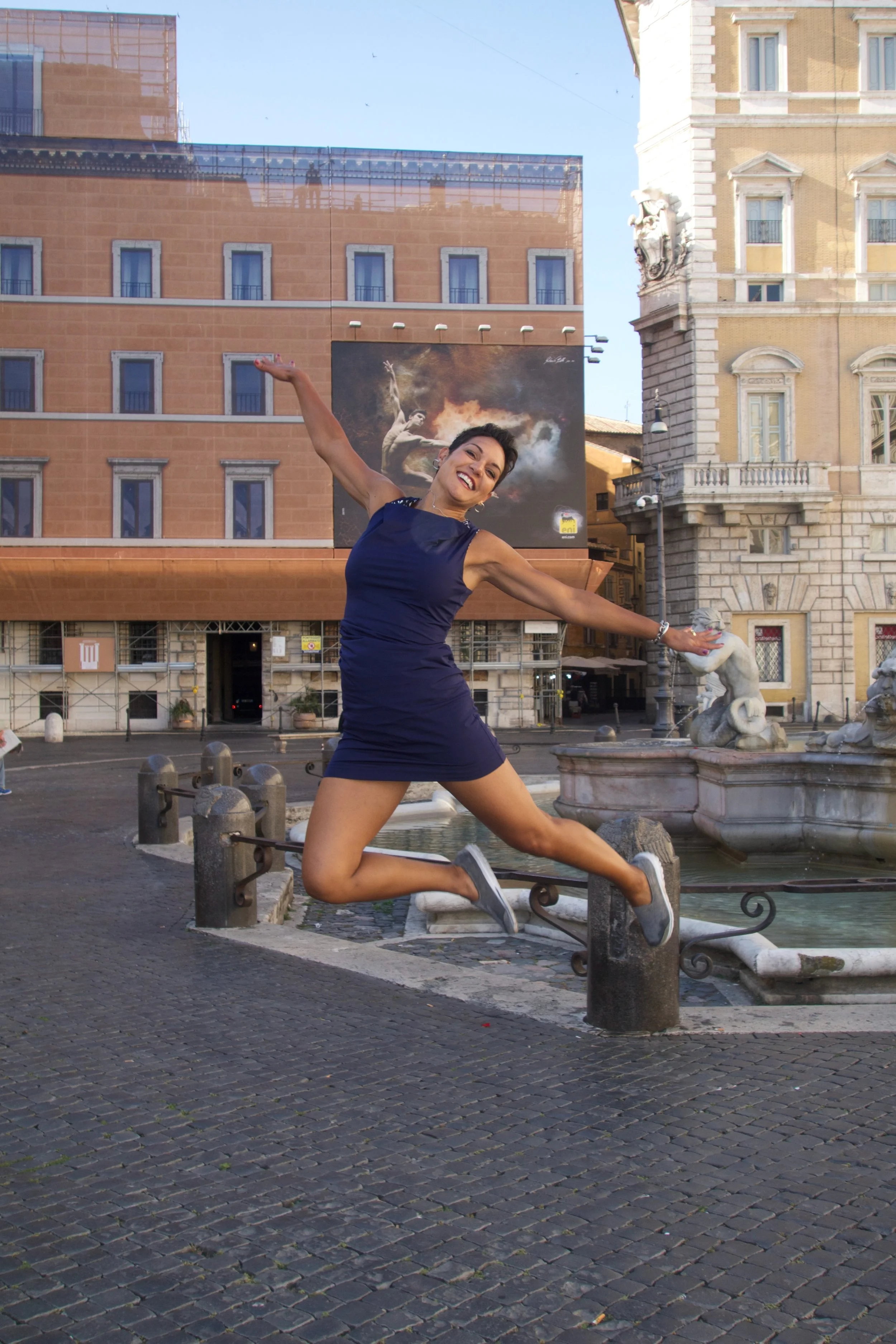
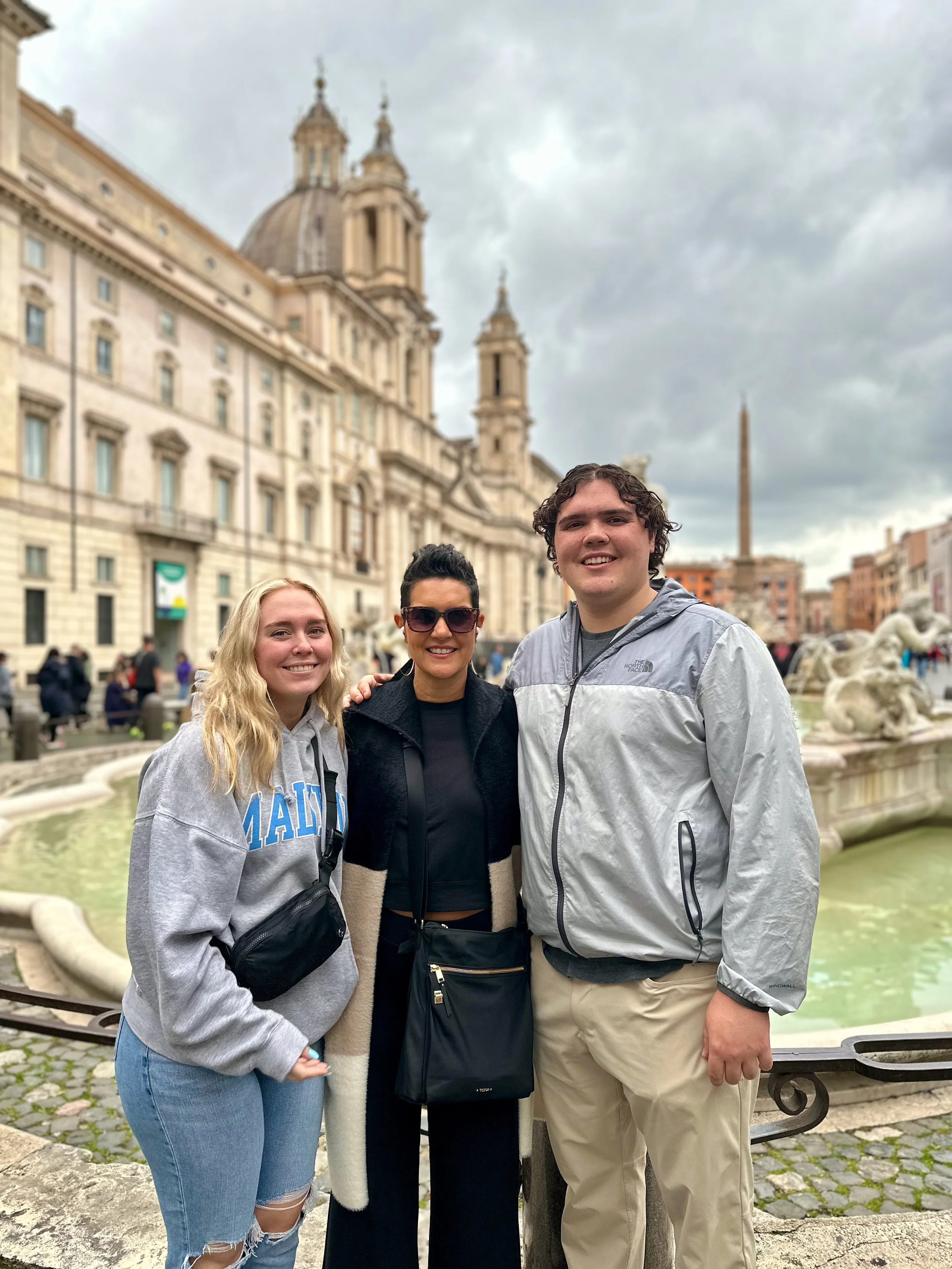
Into Piazza Navona
We always pause here for a beer at La Botticella. It’s informal, a little tucked away, and exactly the kind of place that makes people feel like they’ve “arrived.”
From there:
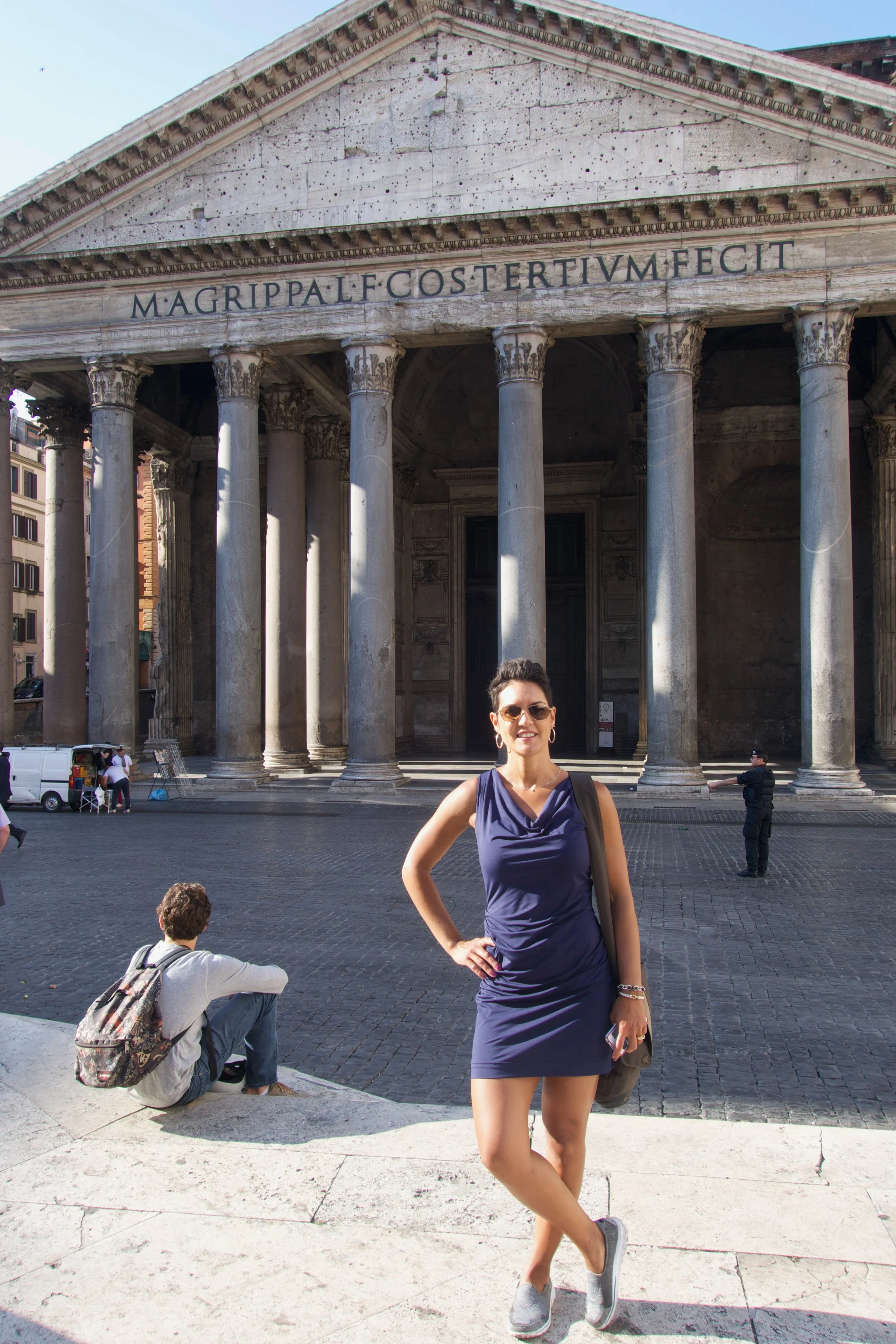
Pantheon
Along Via del Corso
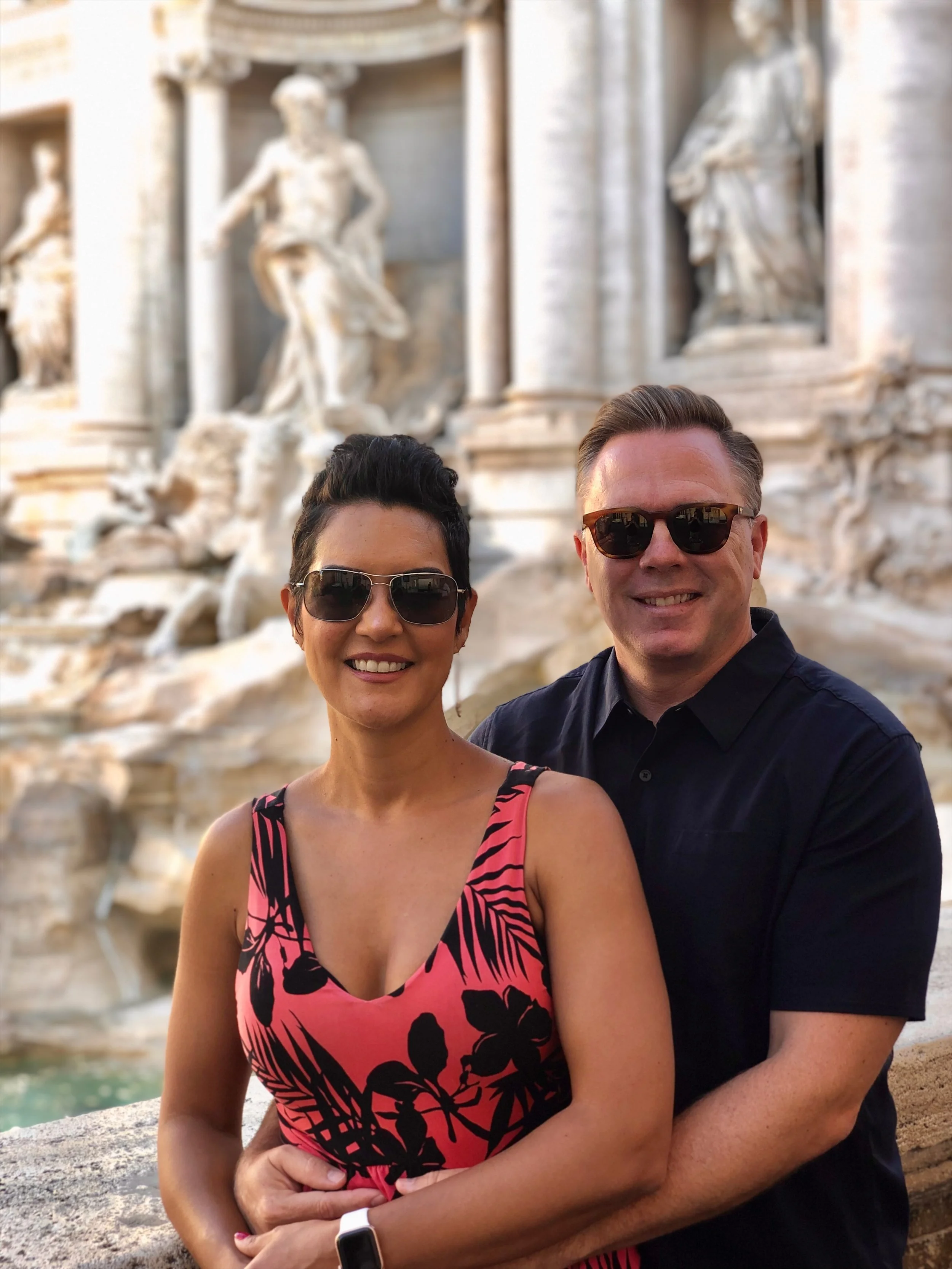
To Trevi Fountain
And up to Spanish Steps
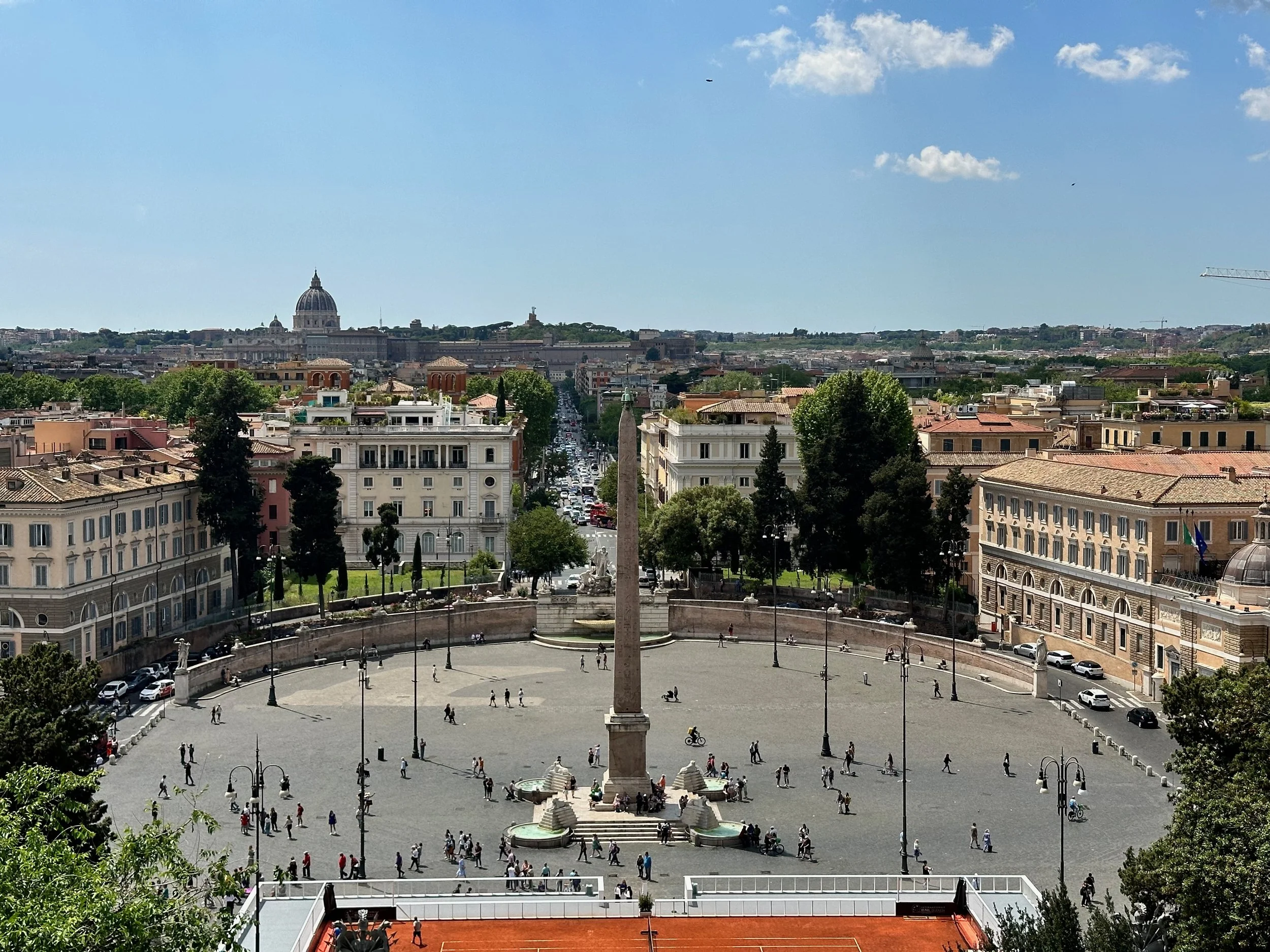
Here’s the only adjustment we’ve made over time: instead of looping awkwardly back onto Via del Corso, head directly to Piazza del Popolo and then walk up to Terrazza del Pincio.
It’s a cleaner finish to the day…and that view, especially with jet lag and a bit of adrenaline, tends to hit just right.
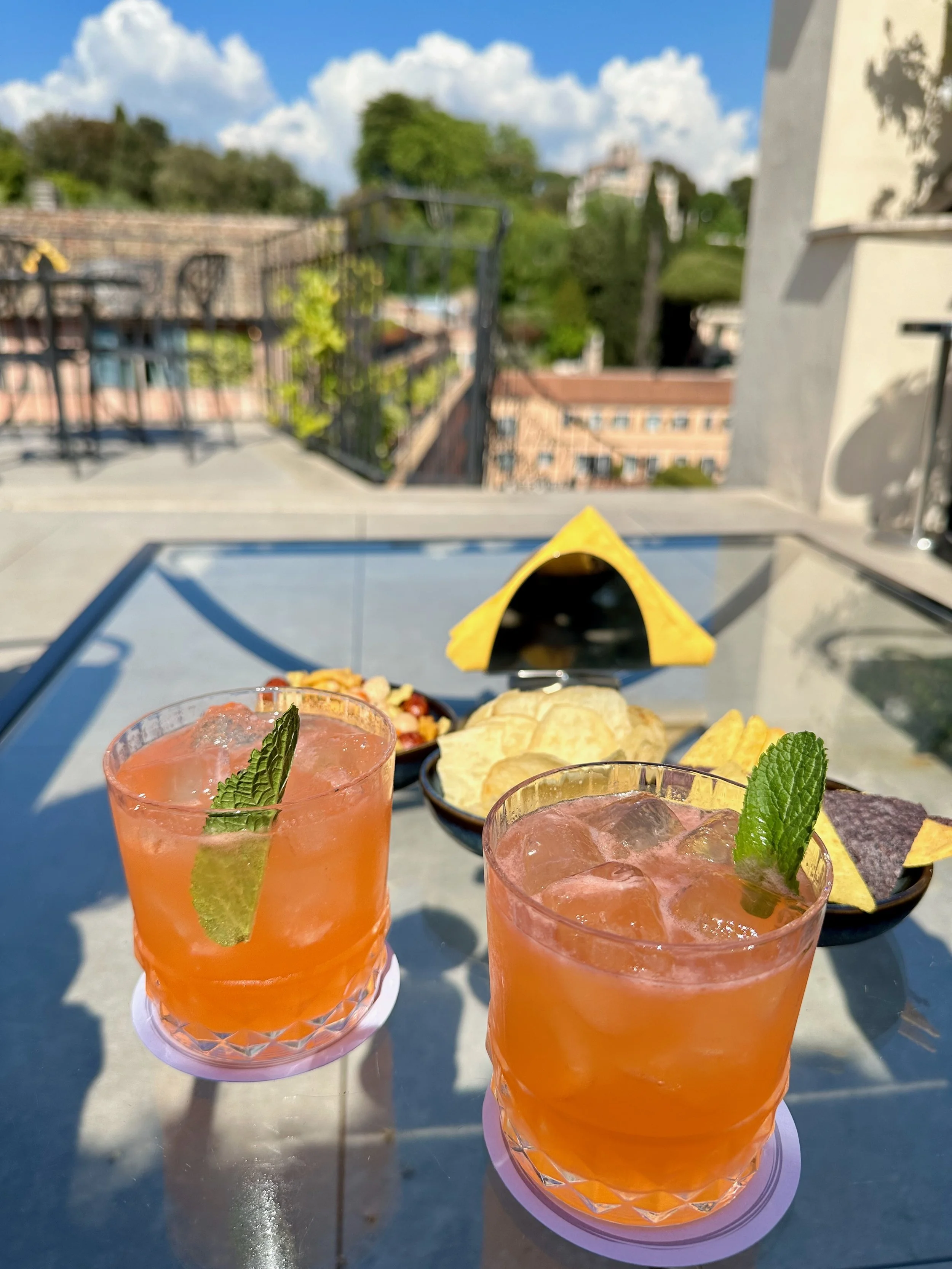
If you still have some energy, rooftop drinks at Palazzo Nainer Rooftop are a strong way to cap things off.
Dinner? Keep it close, keep it easy. Rome isn’t going anywhere.
Day 2: The Vatican, Before Everyone Else Gets There
This is your one “precision” day.
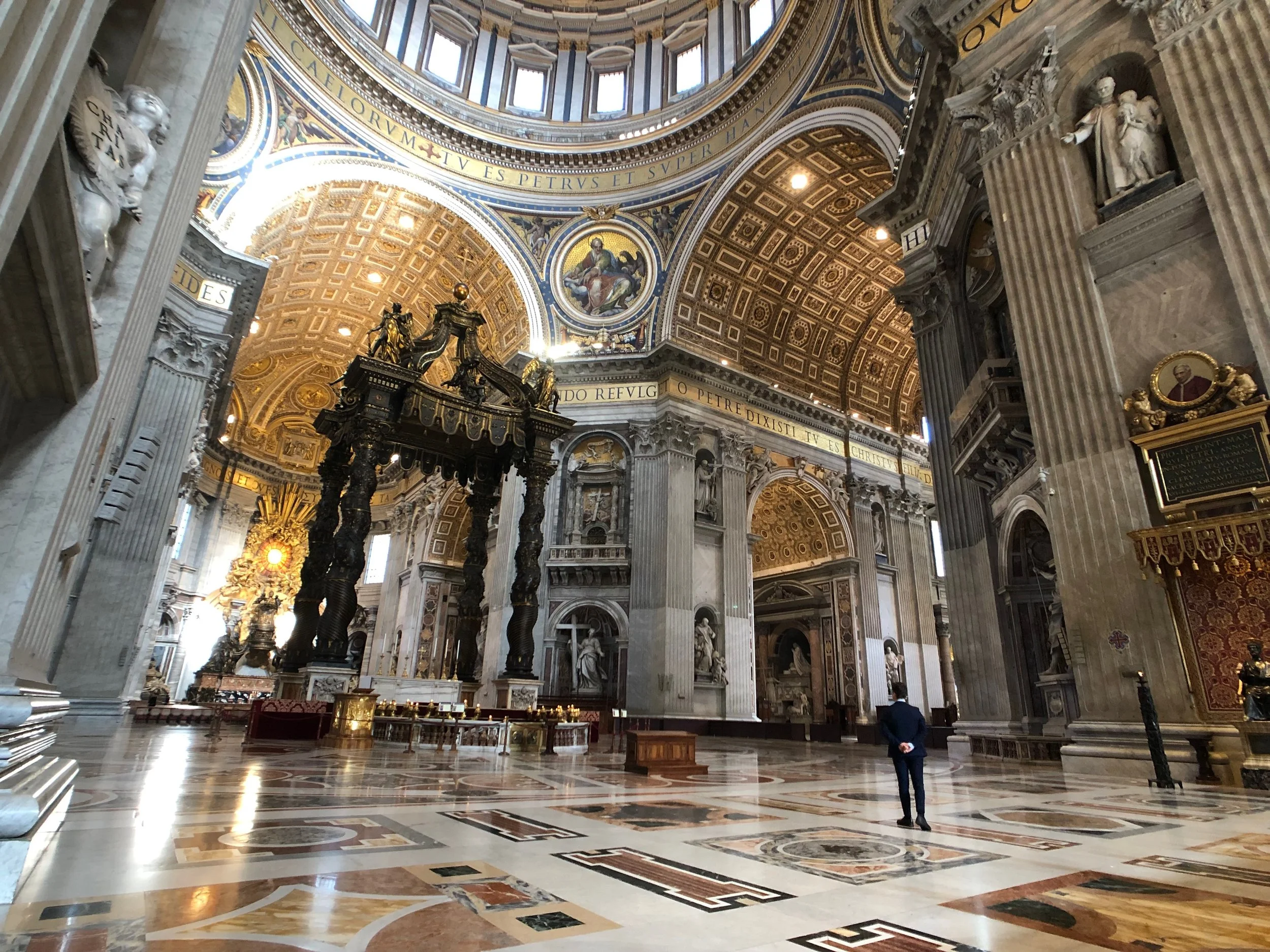
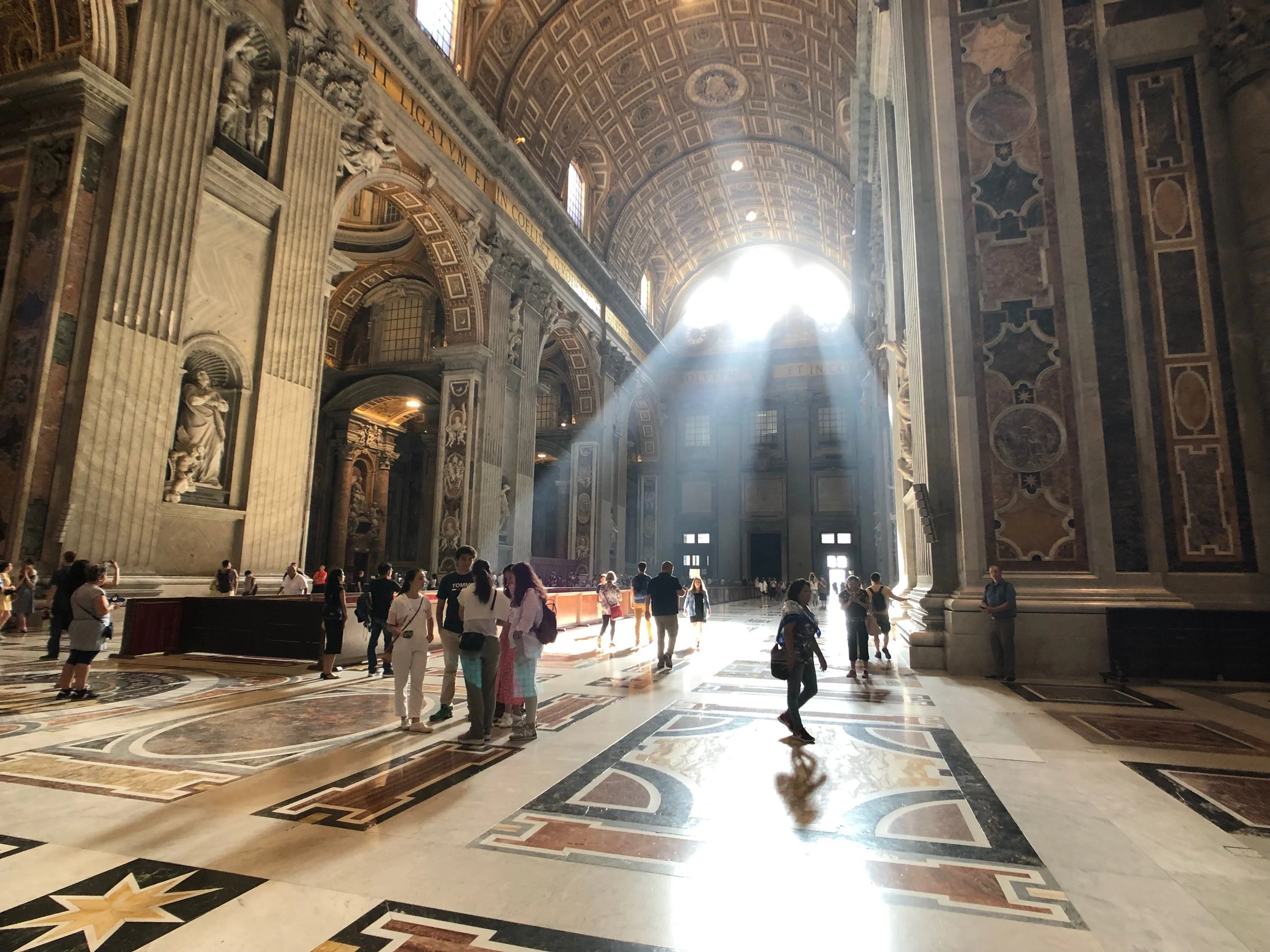
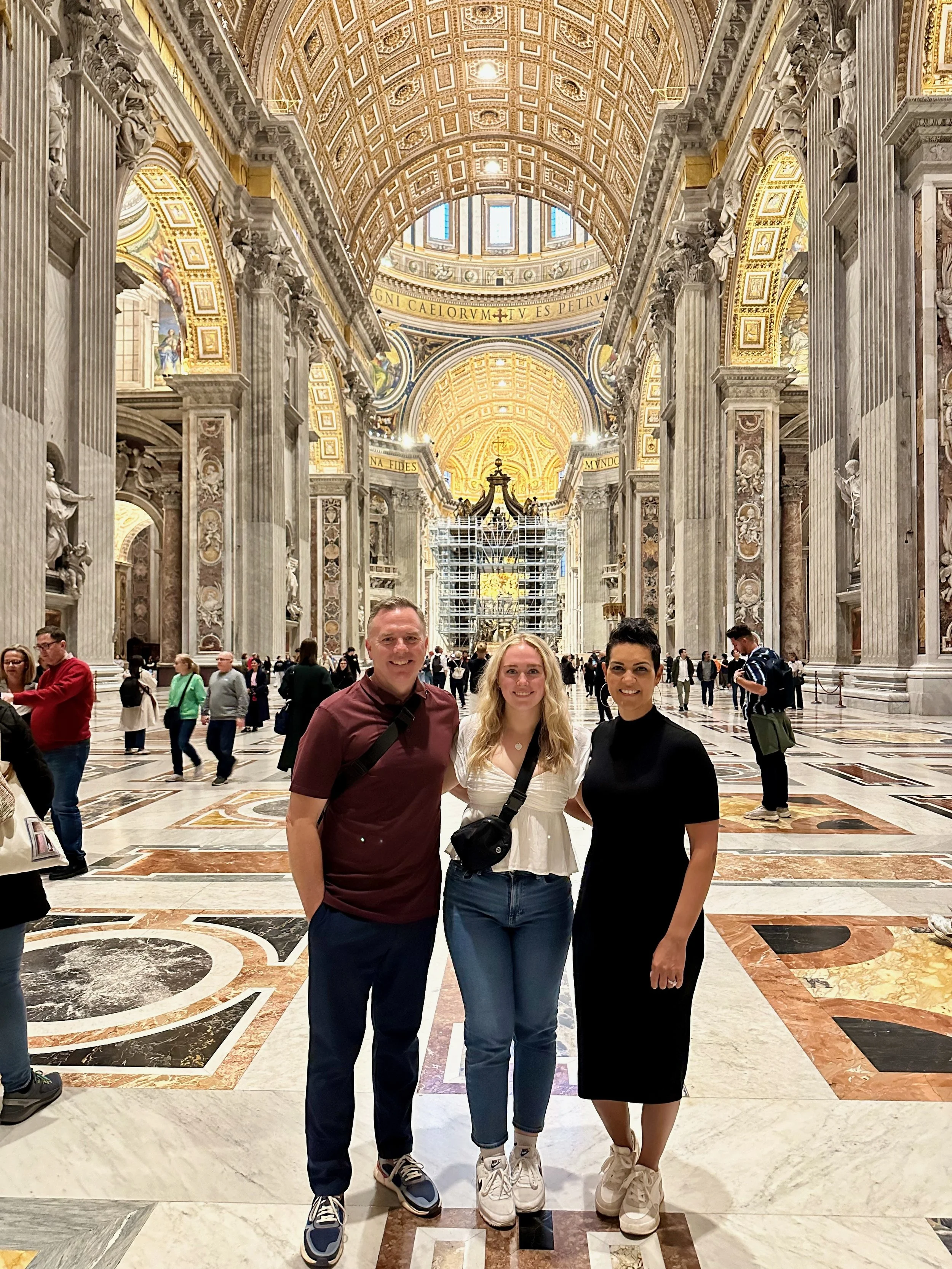
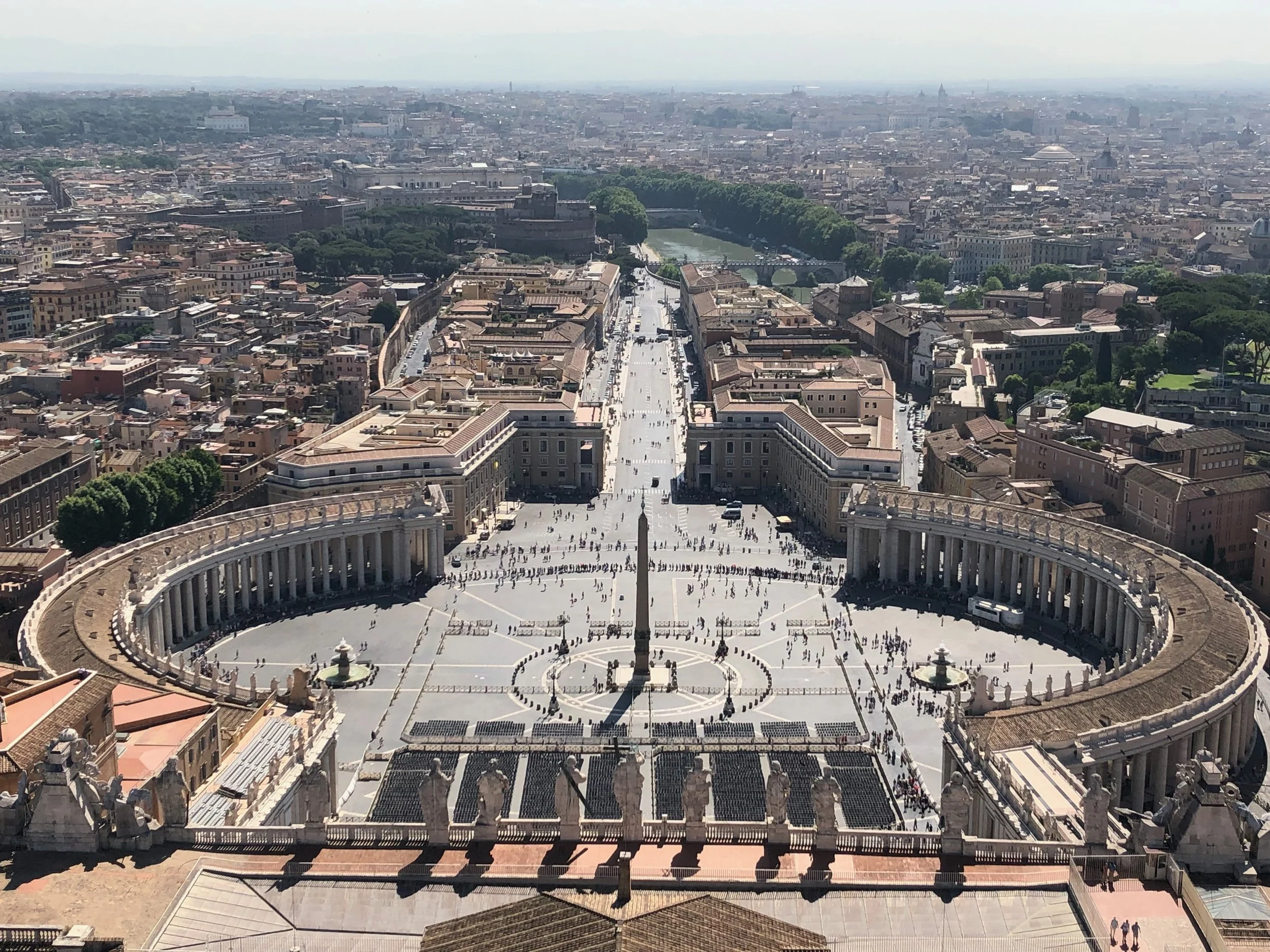
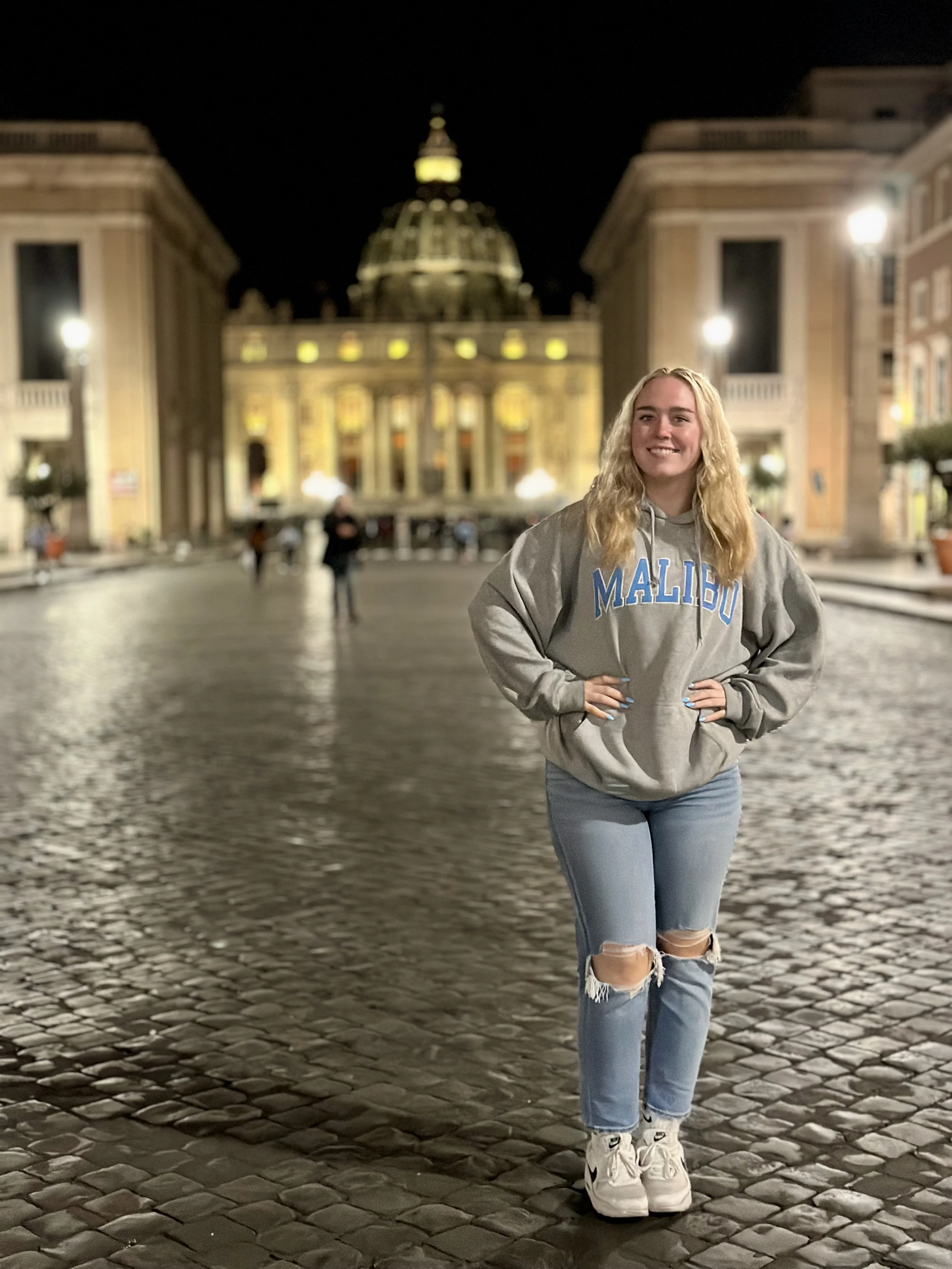
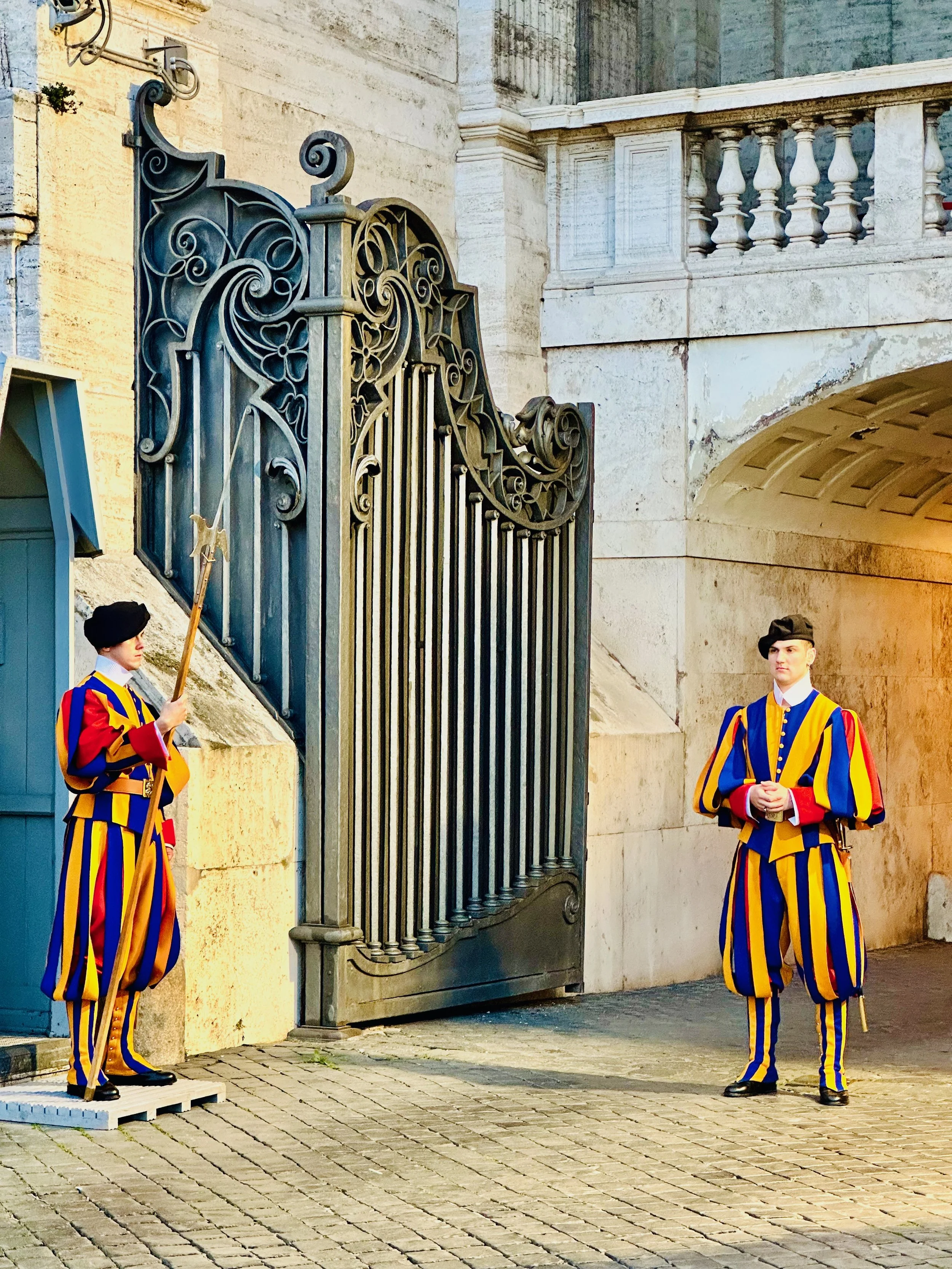
Get to St. Peter’s Square before 7:00am. Since your body is not adjusted to the time difference, you are likely going to be up early any ways. But it really is the difference between experiencing the Vatican and enjoying it or wasting hours standing in line and then navigating thousands of visitors while exploring the Basilica. Please note that there is a dress code for entry… both men and women must have their shoulders and knees covered.
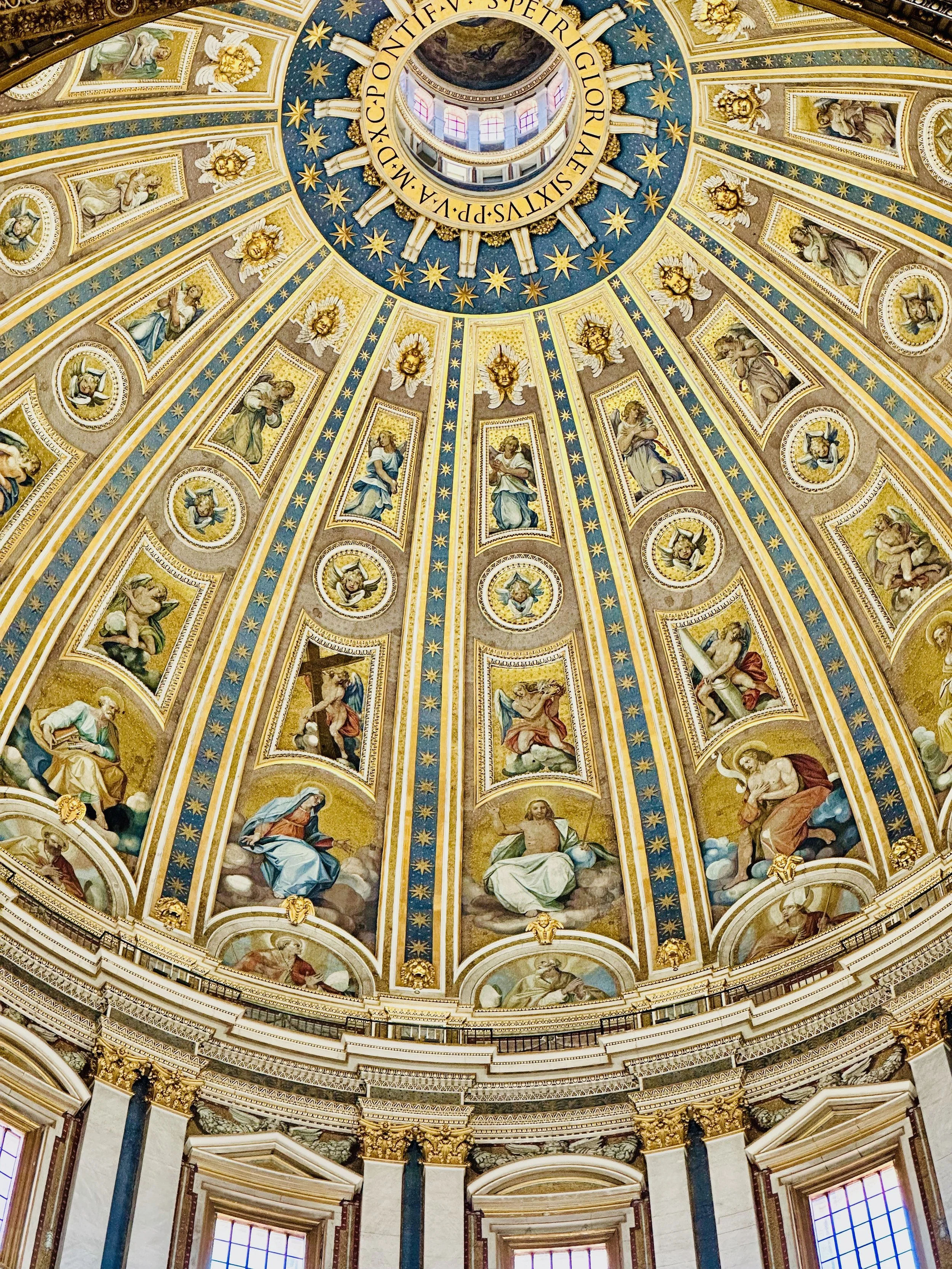
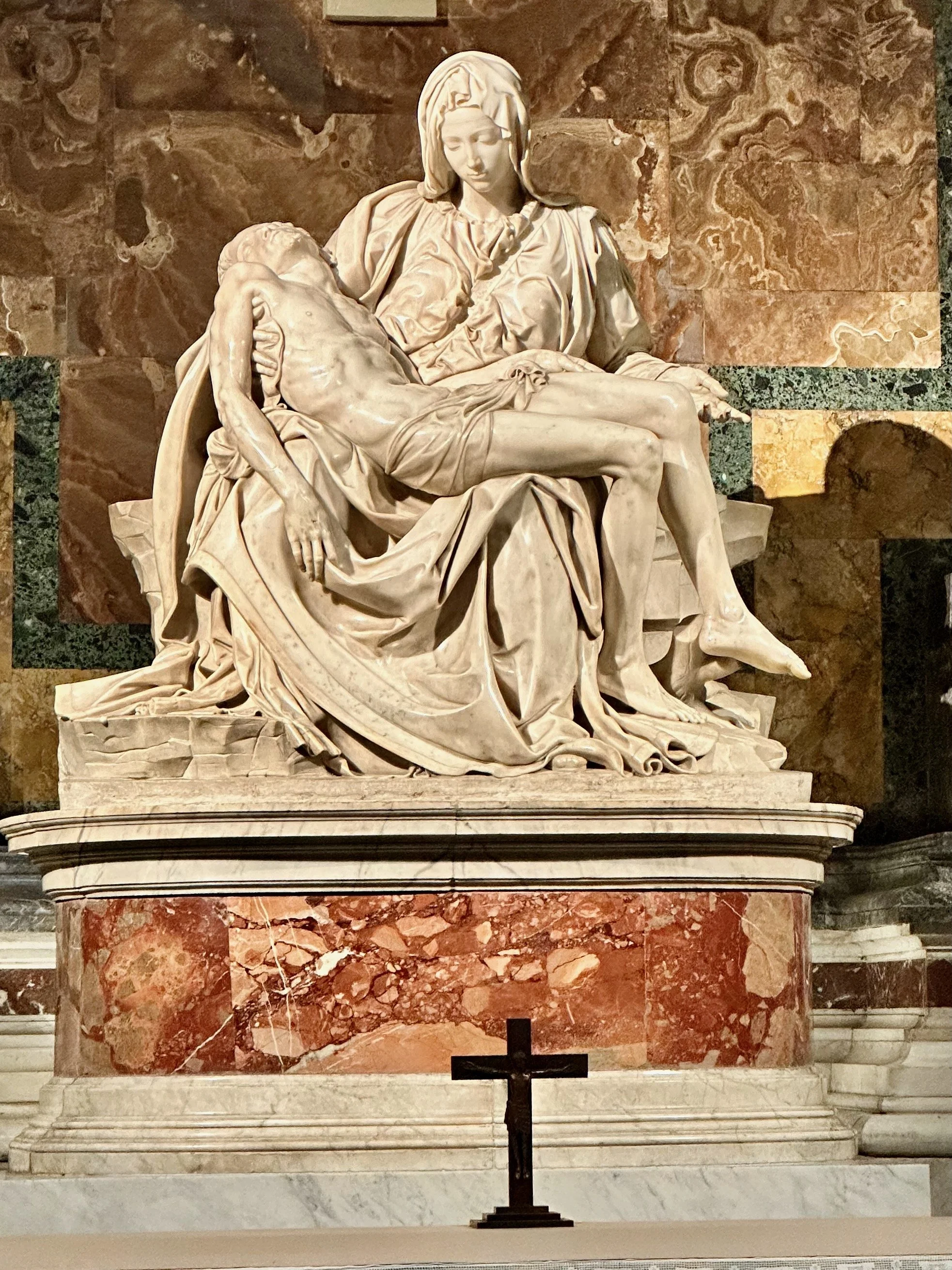
At 7:00am, head straight into St. Peter’s Basilica. Even if you’ve seen photos, it doesn’t prepare you for the scale.
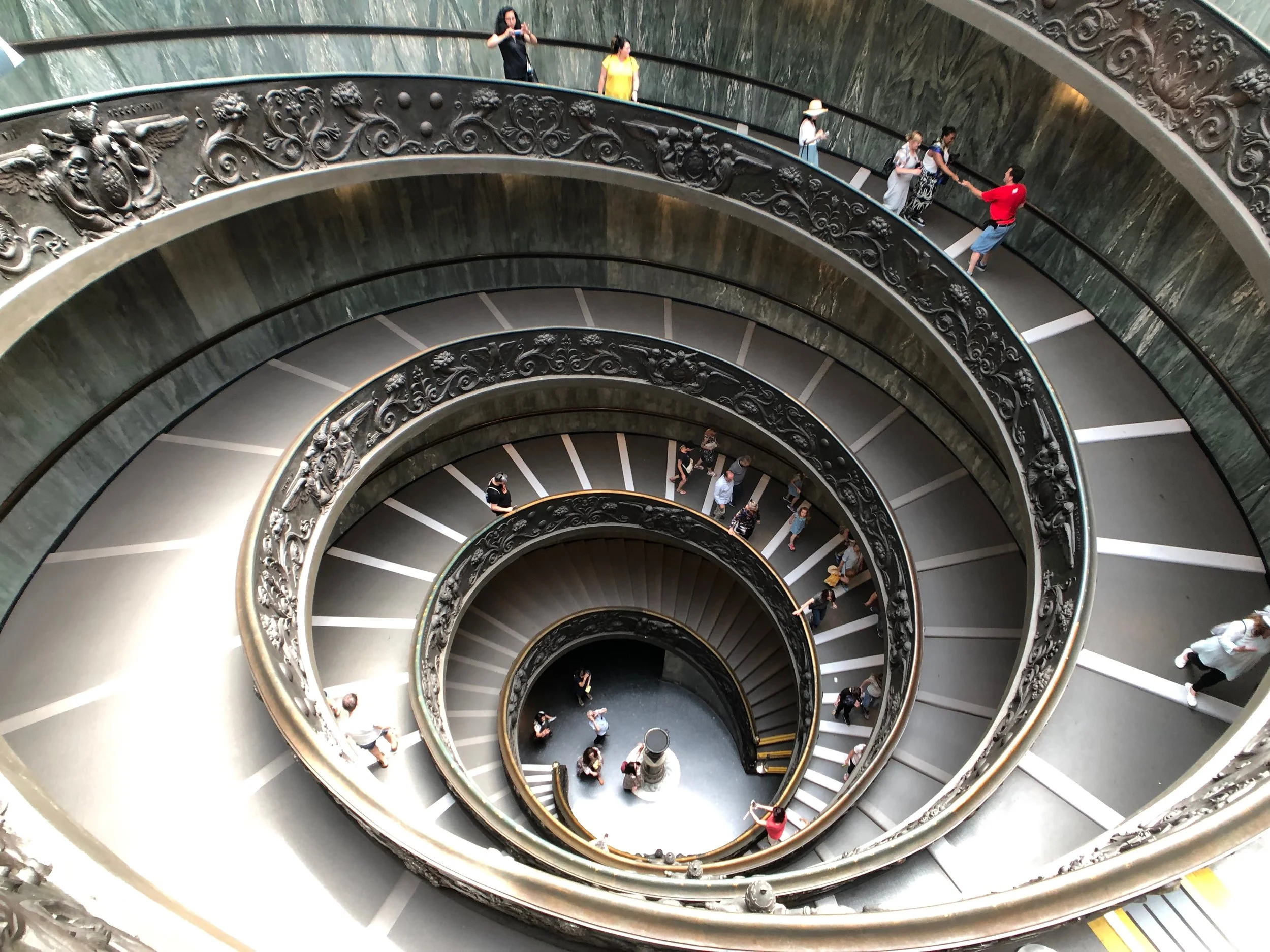
Afterward, grab a coffee, reset a bit, and then head into the Vatican Museums with pre-purchased tickets.
You can purchase official tickets here:
Book in advance and aim for either an early entry (9:00–9:30am) or a later afternoon slot to avoid peak congestion. We tend to book around 1-2pm as it leaves plenty of time for Trastevere.
Follow a structured route (Rick Steves’ audio guide works well) through to the Sistine Chapel. Otherwise, it’s easy to get lost in a very large museum.
By early afternoon, you’re done with schedules.
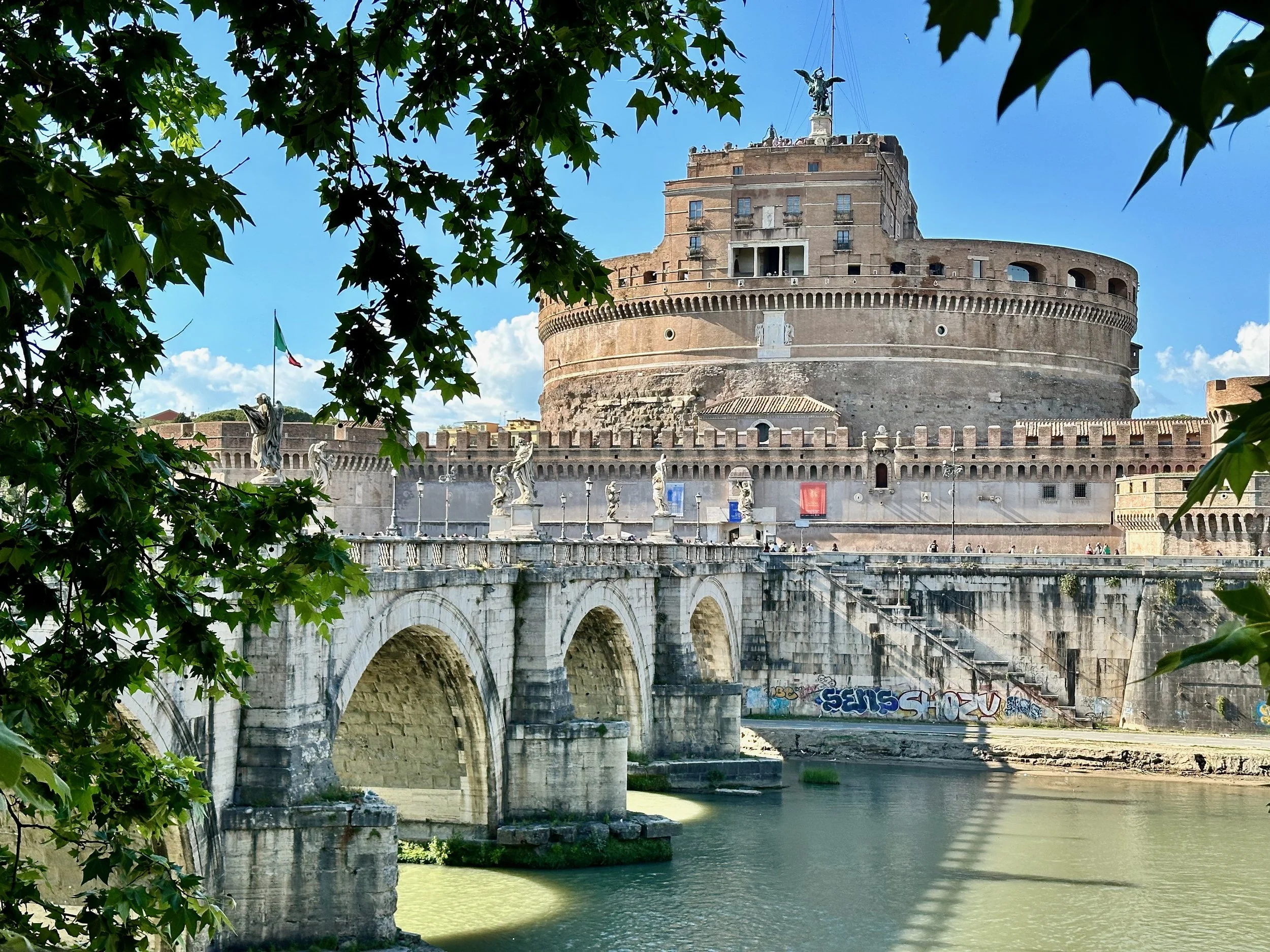
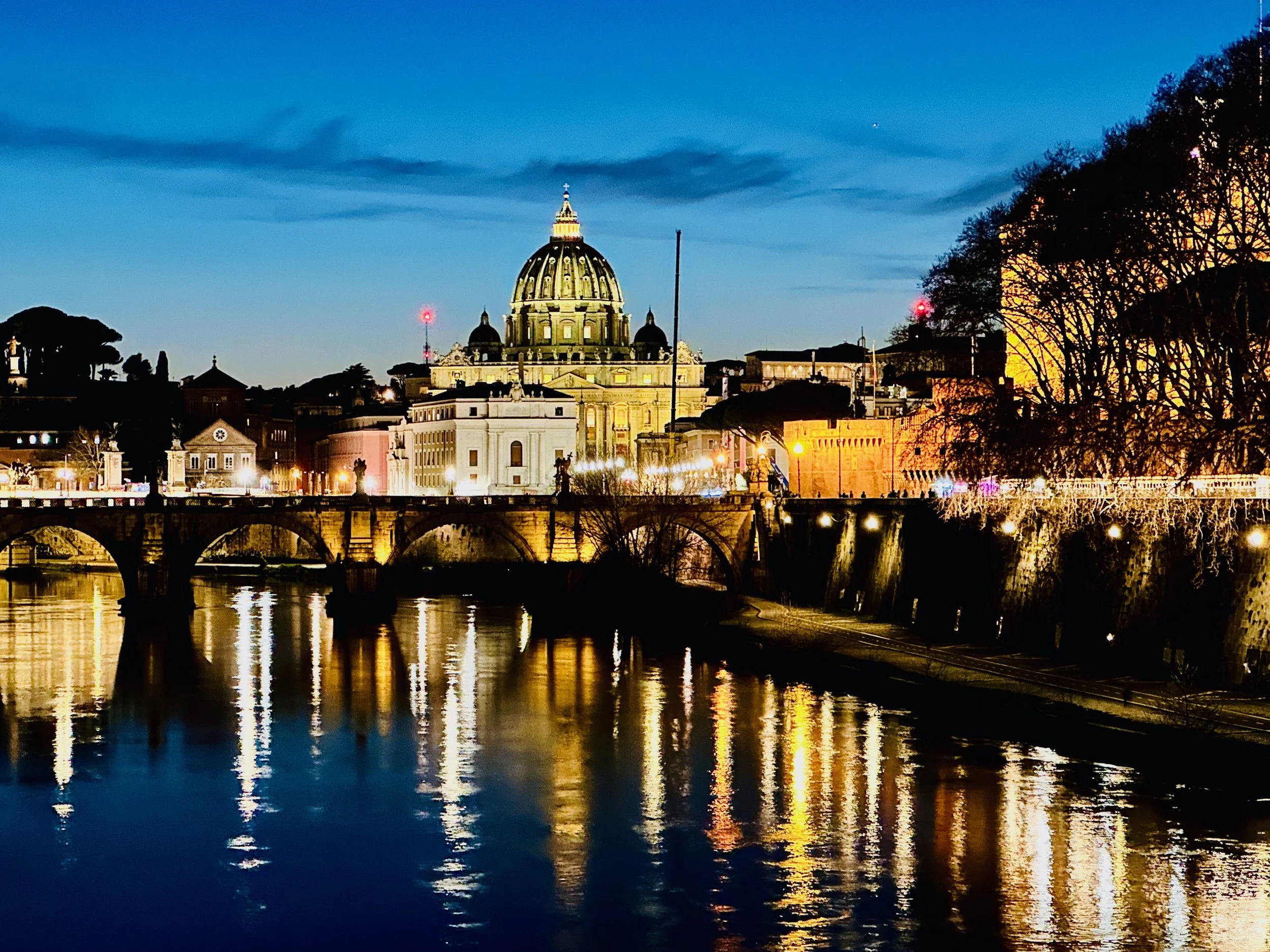
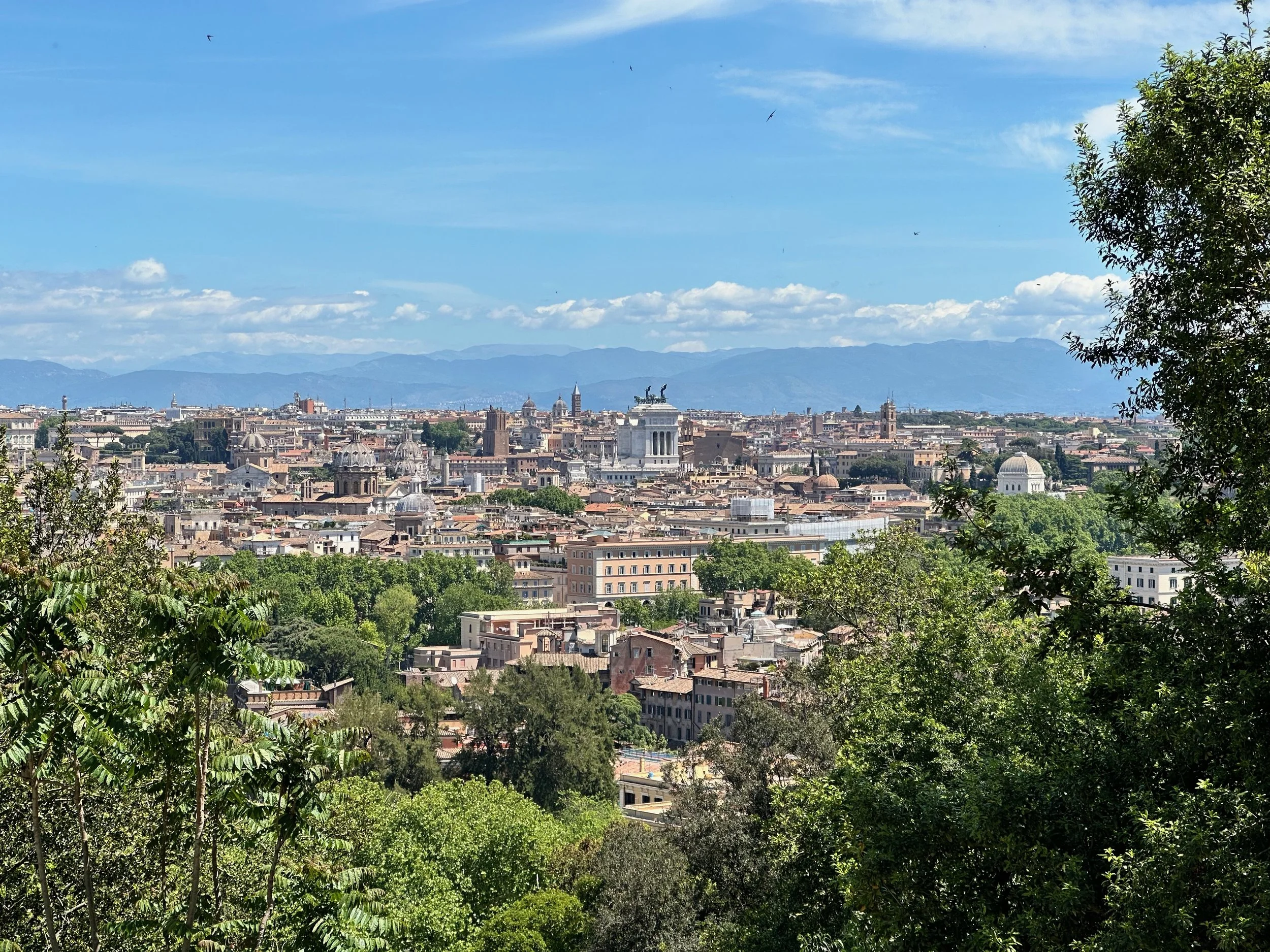
Walk toward Janiculum Hill, arguably the best panoramic view in Rome, and then drop into Trastevere.
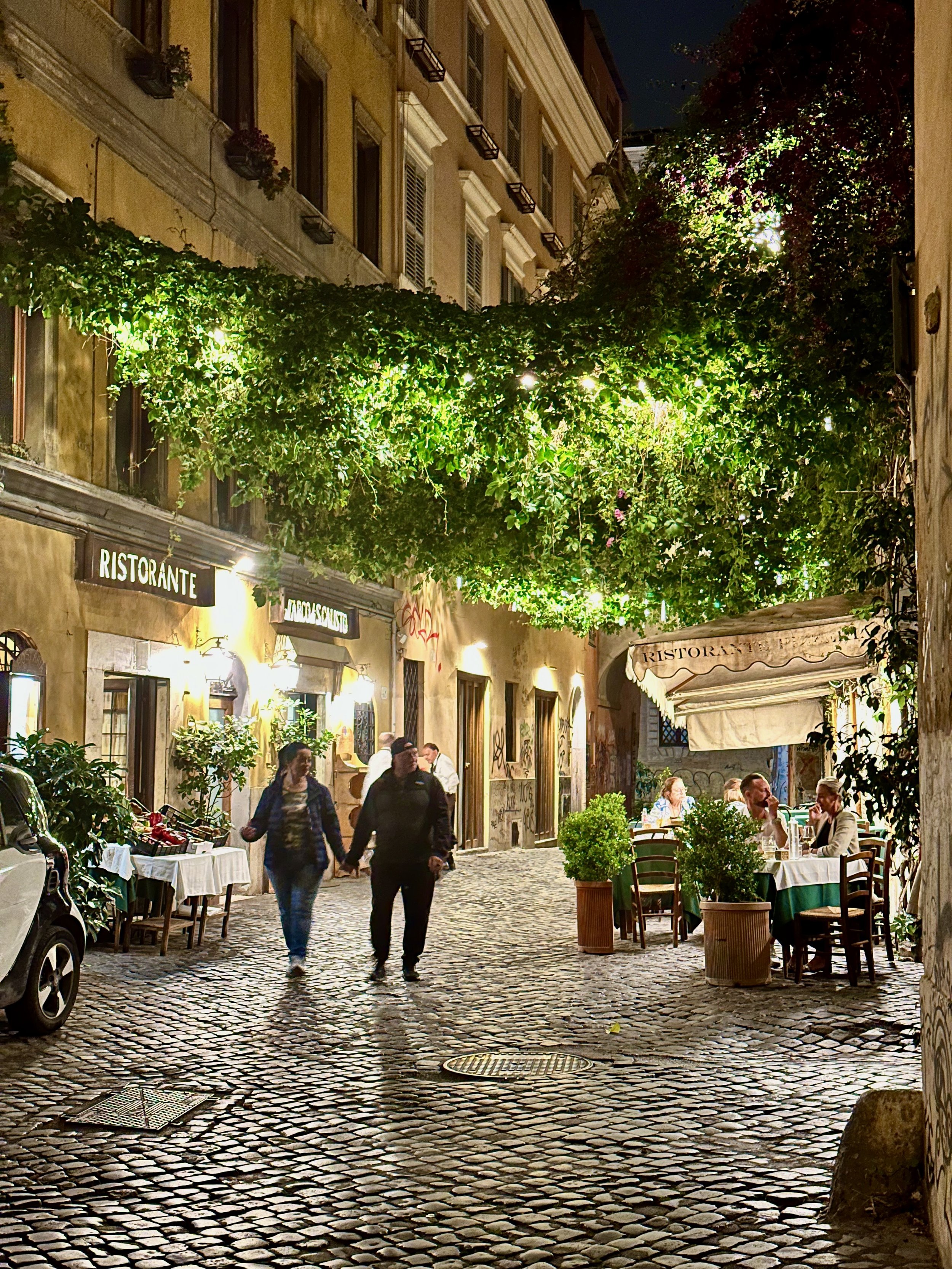
This is where you loosen the grip on the itinerary. Wander. Stop for a spritz. Sit longer than you planned.
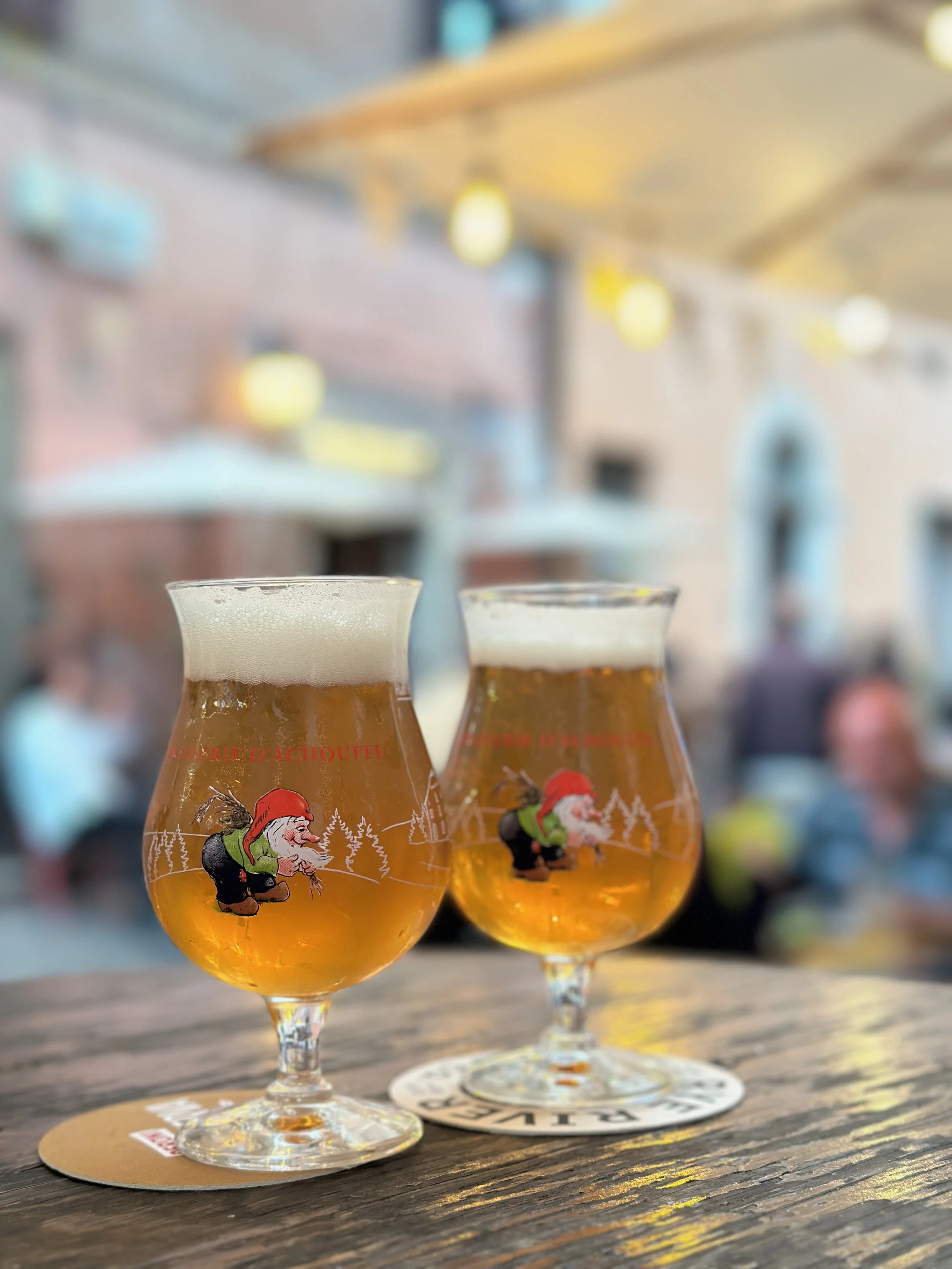
If beer is more your speed, Birreria Trilussa is a great stop with quite a few selections.
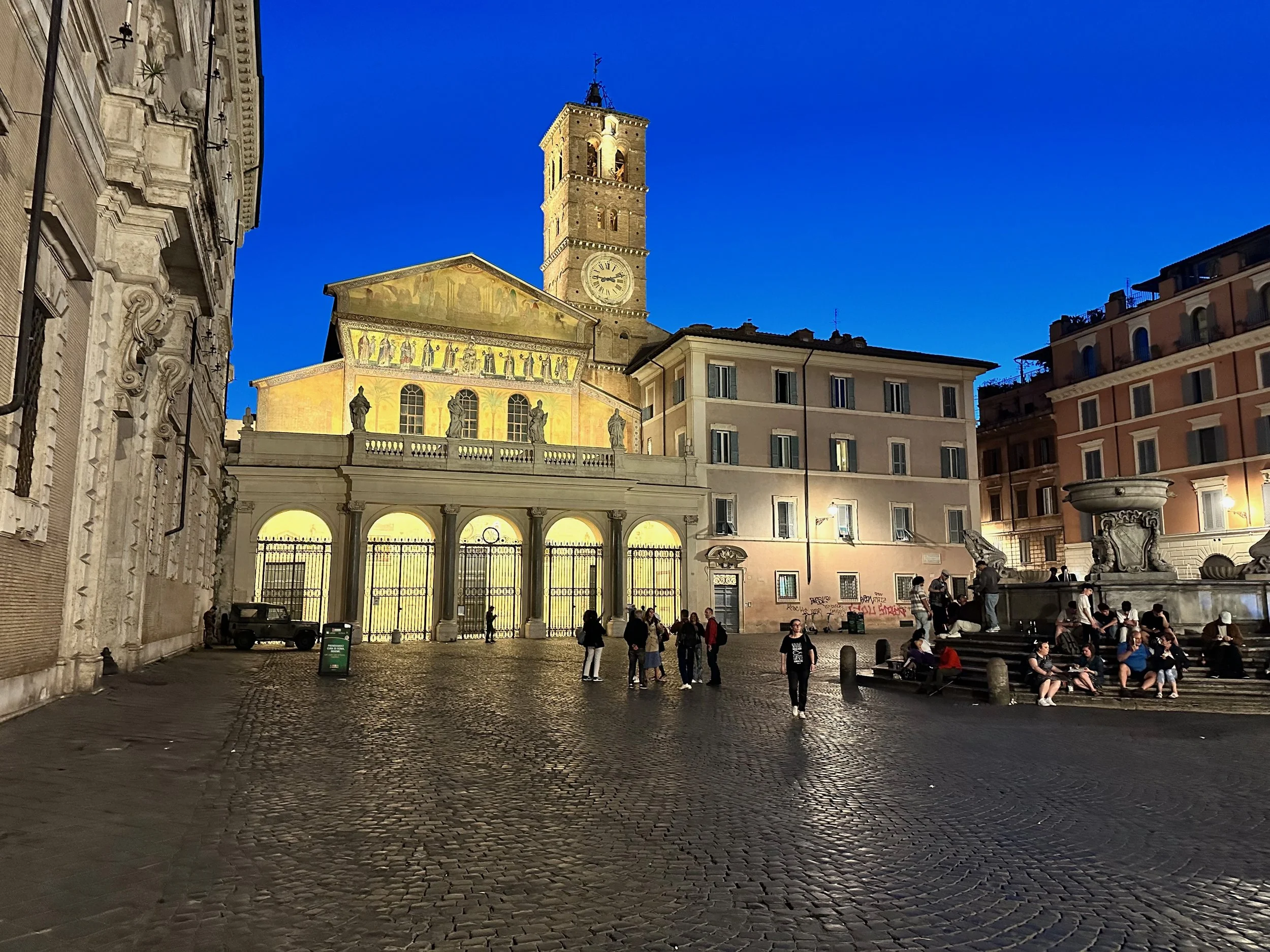
For a quick cultural anchor, step into Santa Maria in Trastevere. It’s a short visit, but one that tends to stick.
Dinner stays in Trastevere. No reservations needed if you’re flexible…just follow what looks good.
Day 3: Ancient Rome
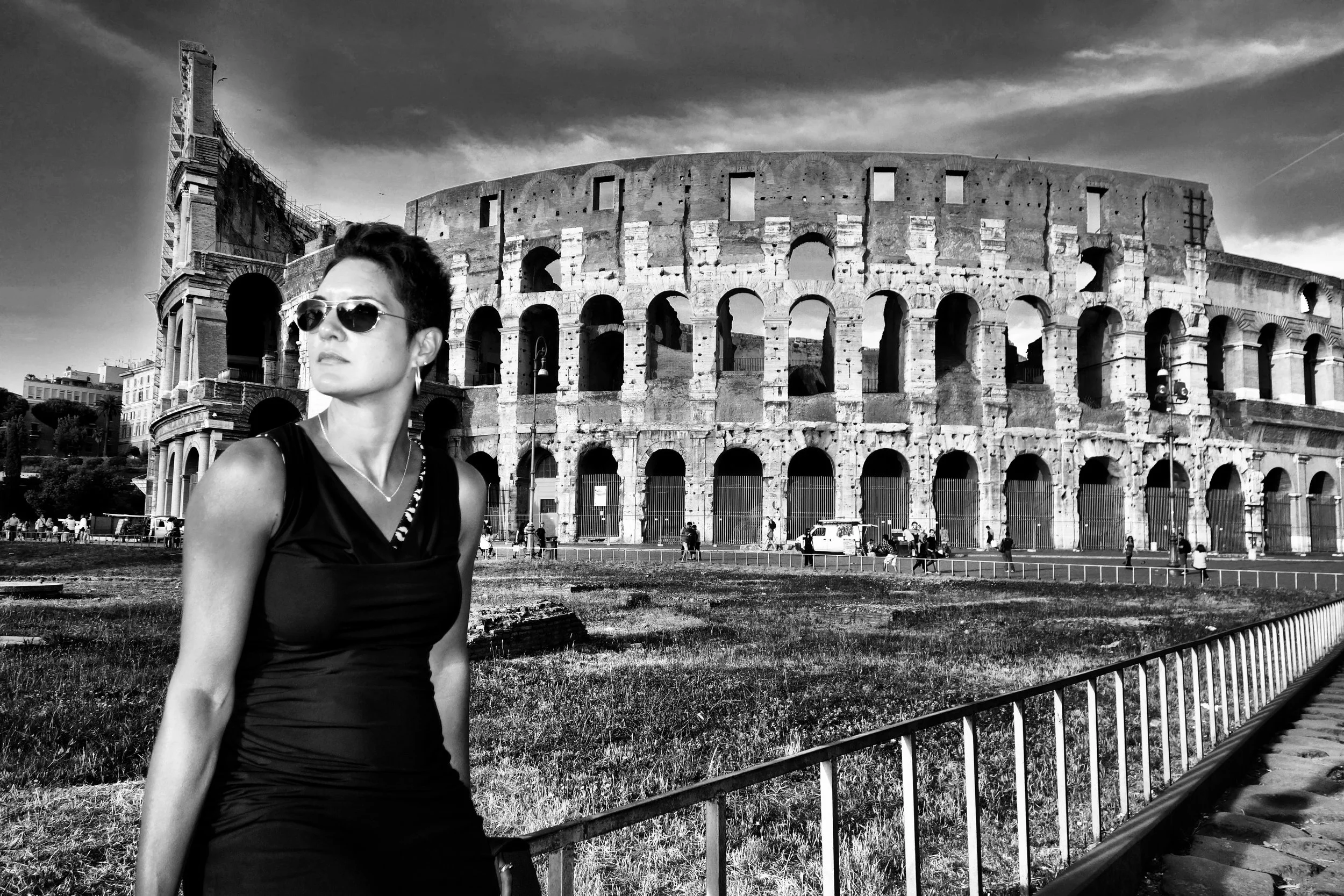
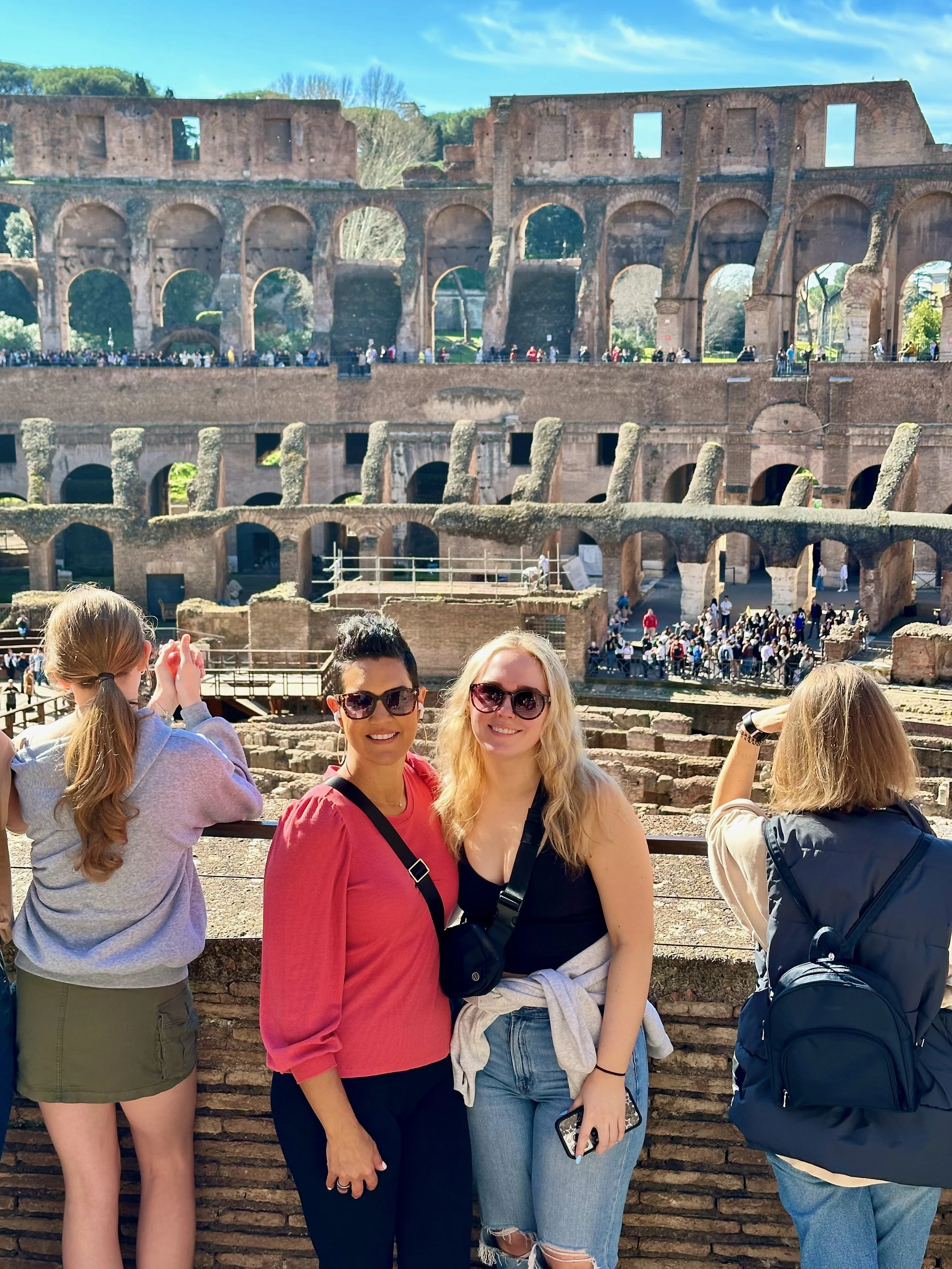
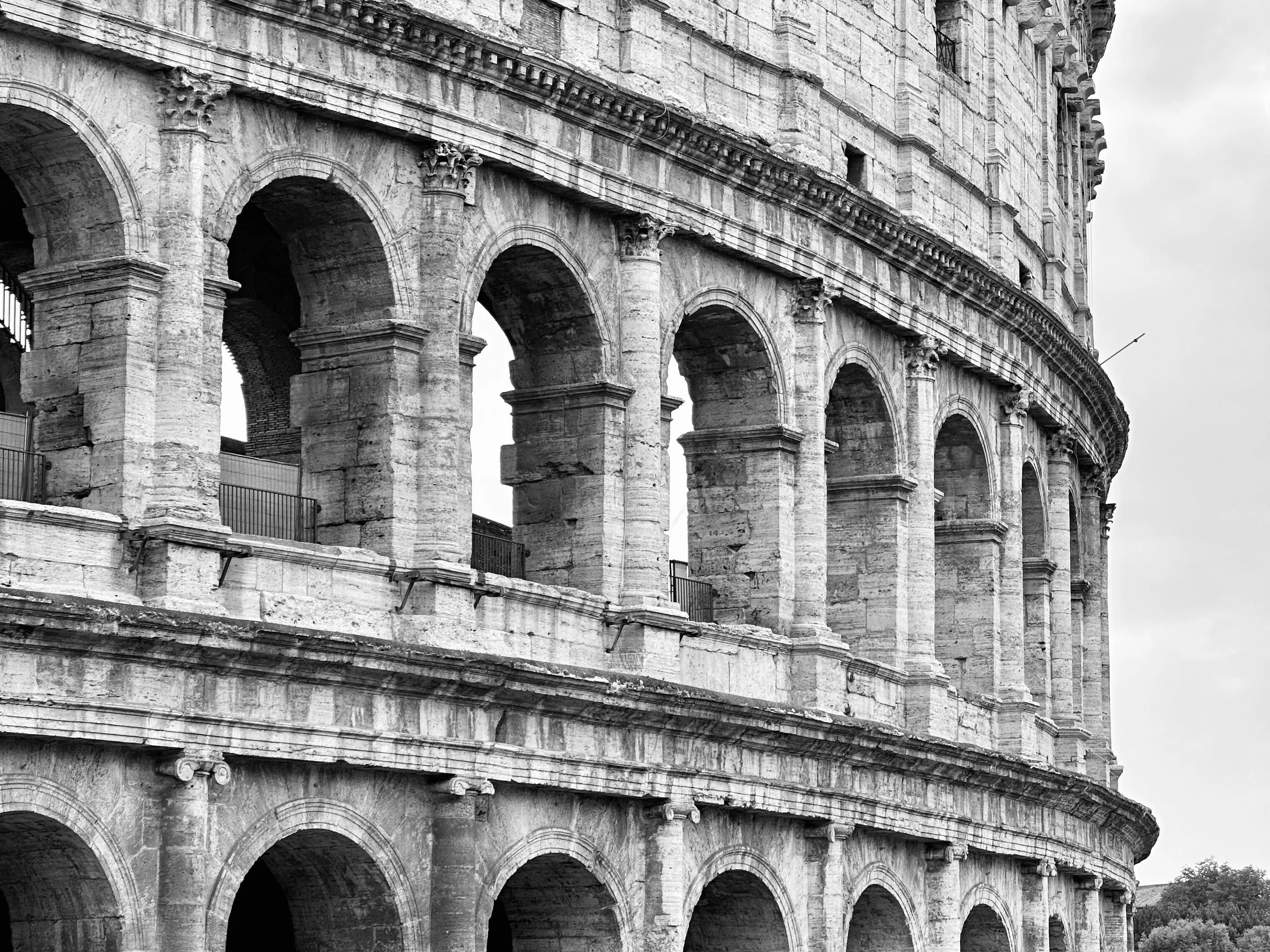
Start early again, this time at the Colosseum.
Make sure you book the combined ticket that includes:
Roman Forum
Colosseum
(Palatine Hill is included with the ticket, even if you don’t spend much time there)
Official tickets can be purchased here:
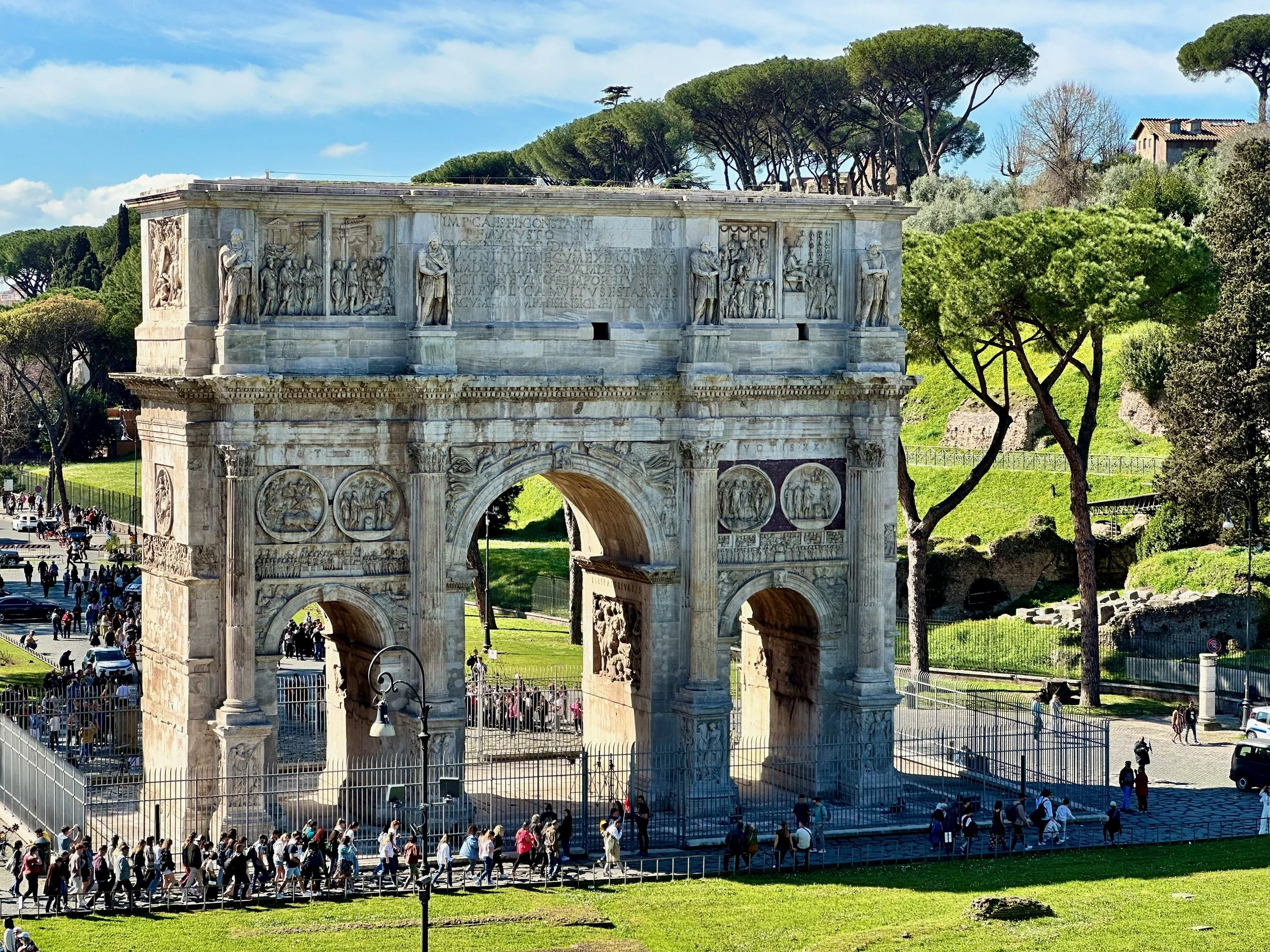
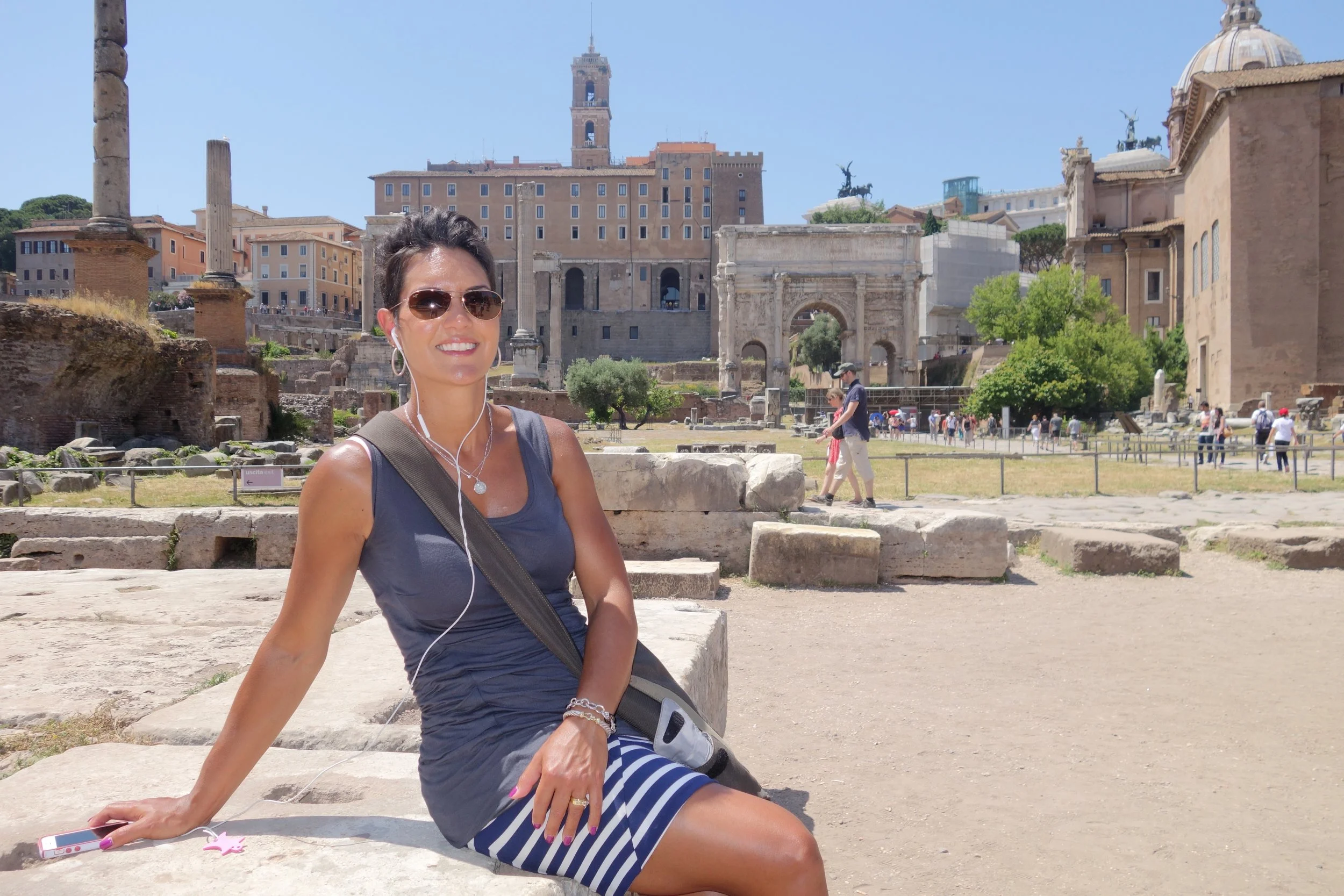
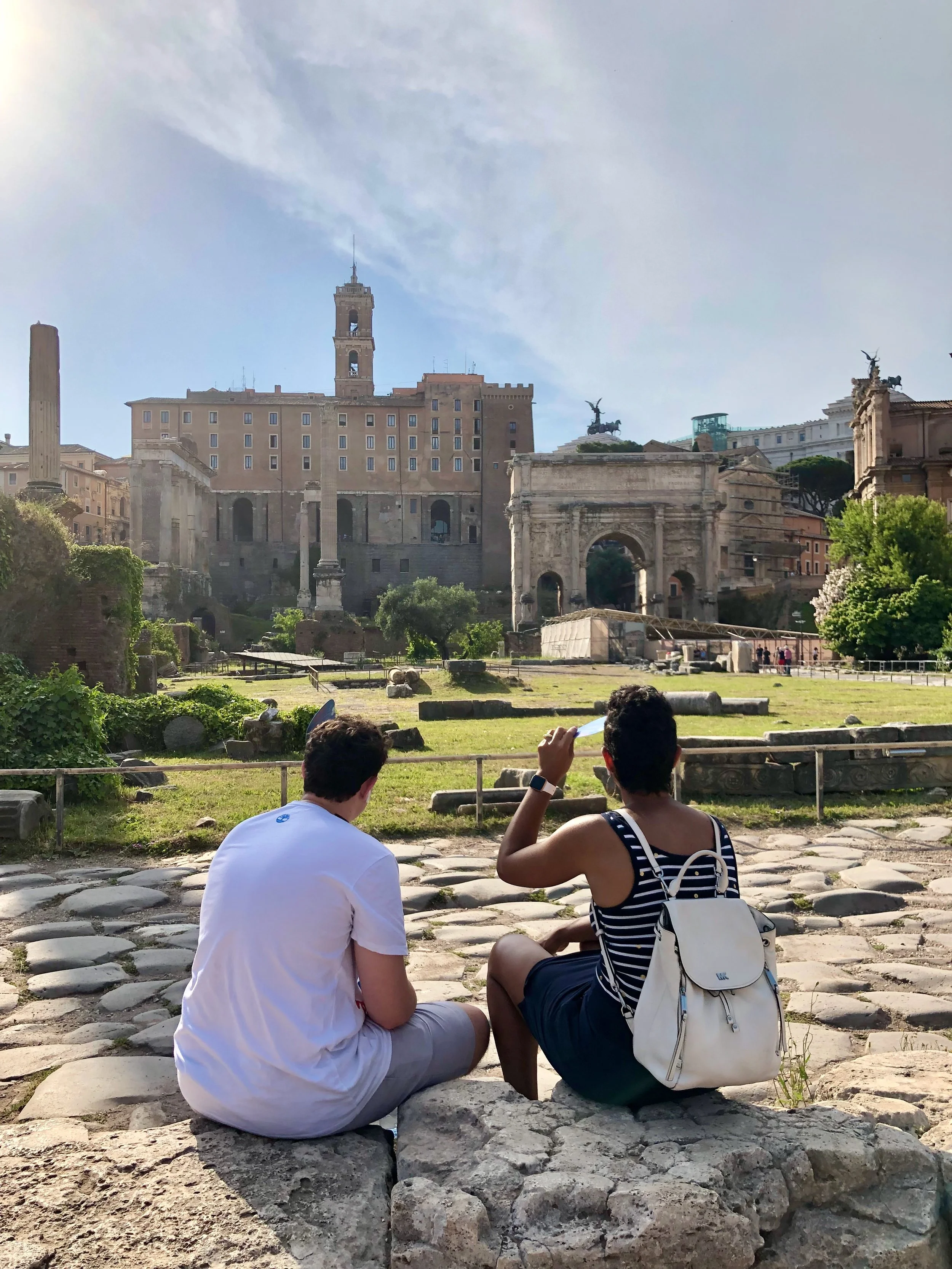
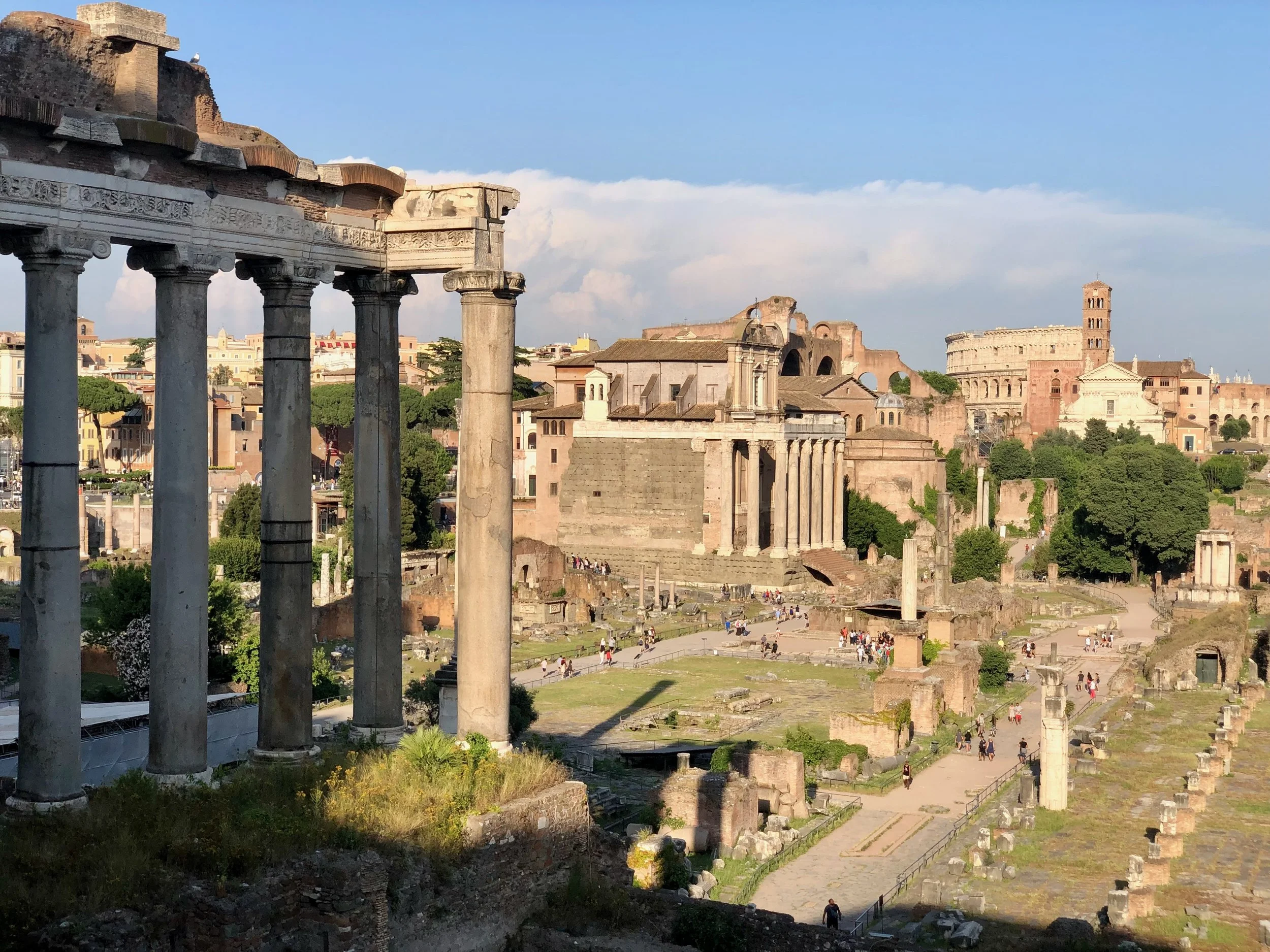
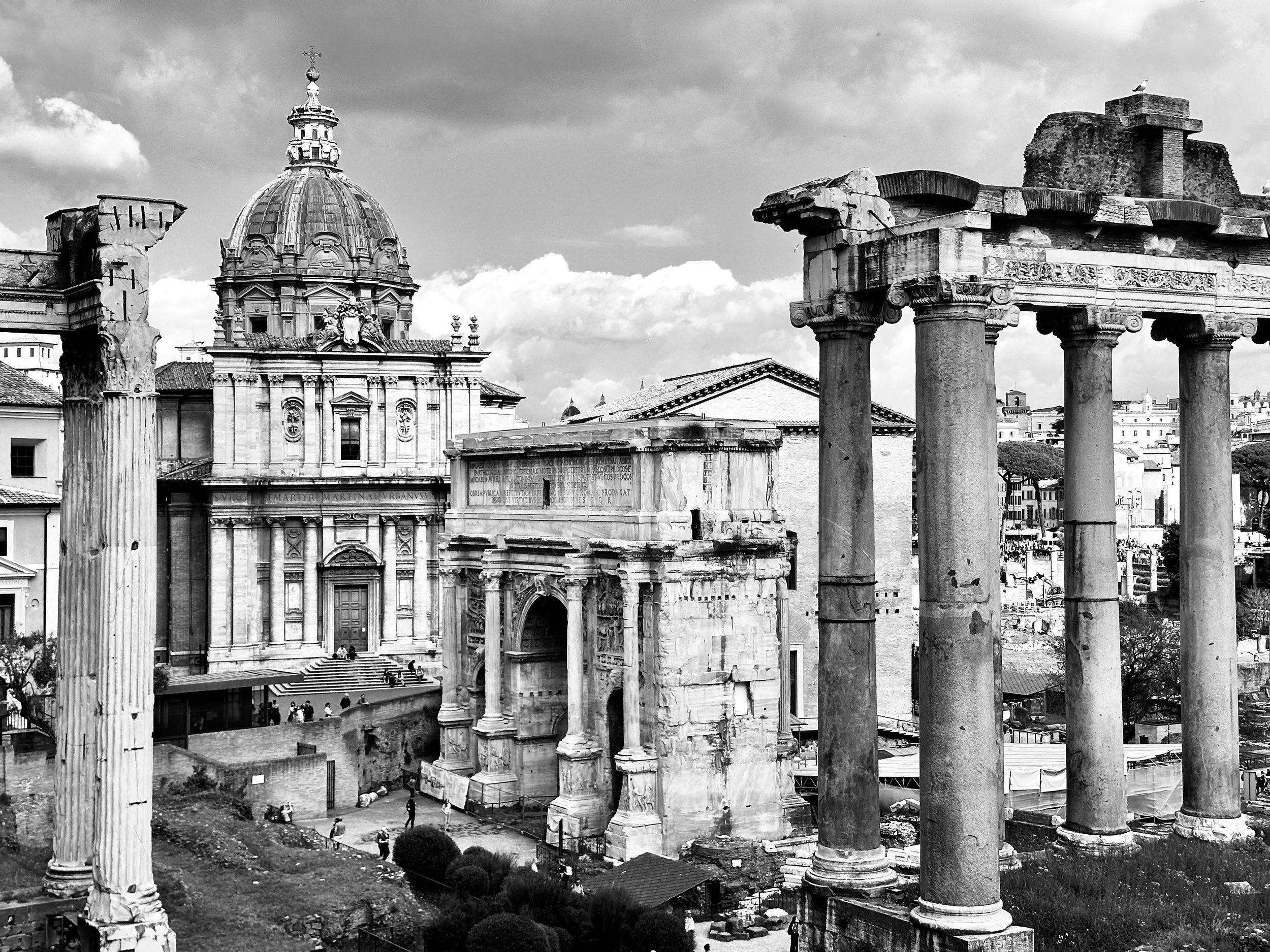
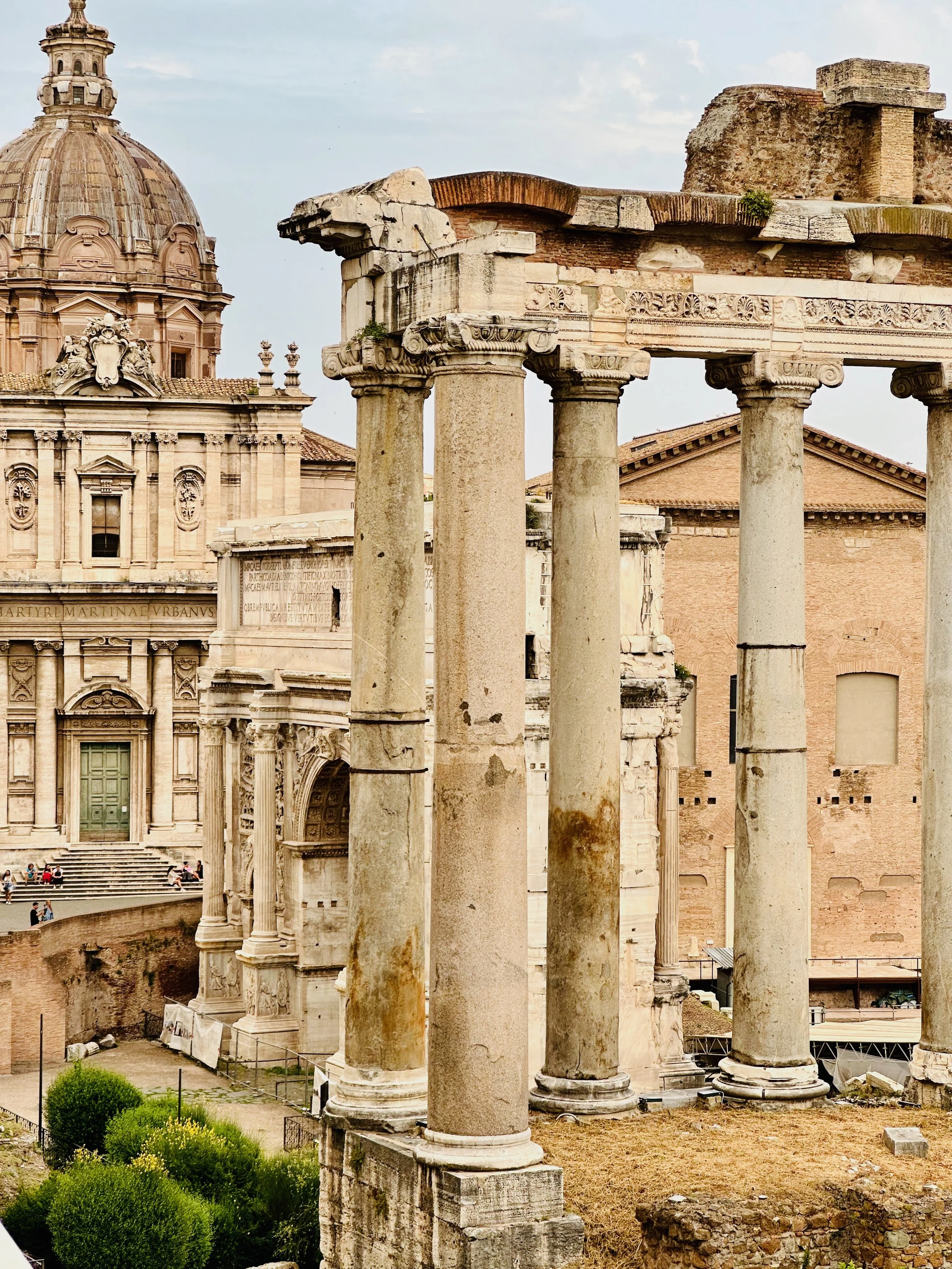
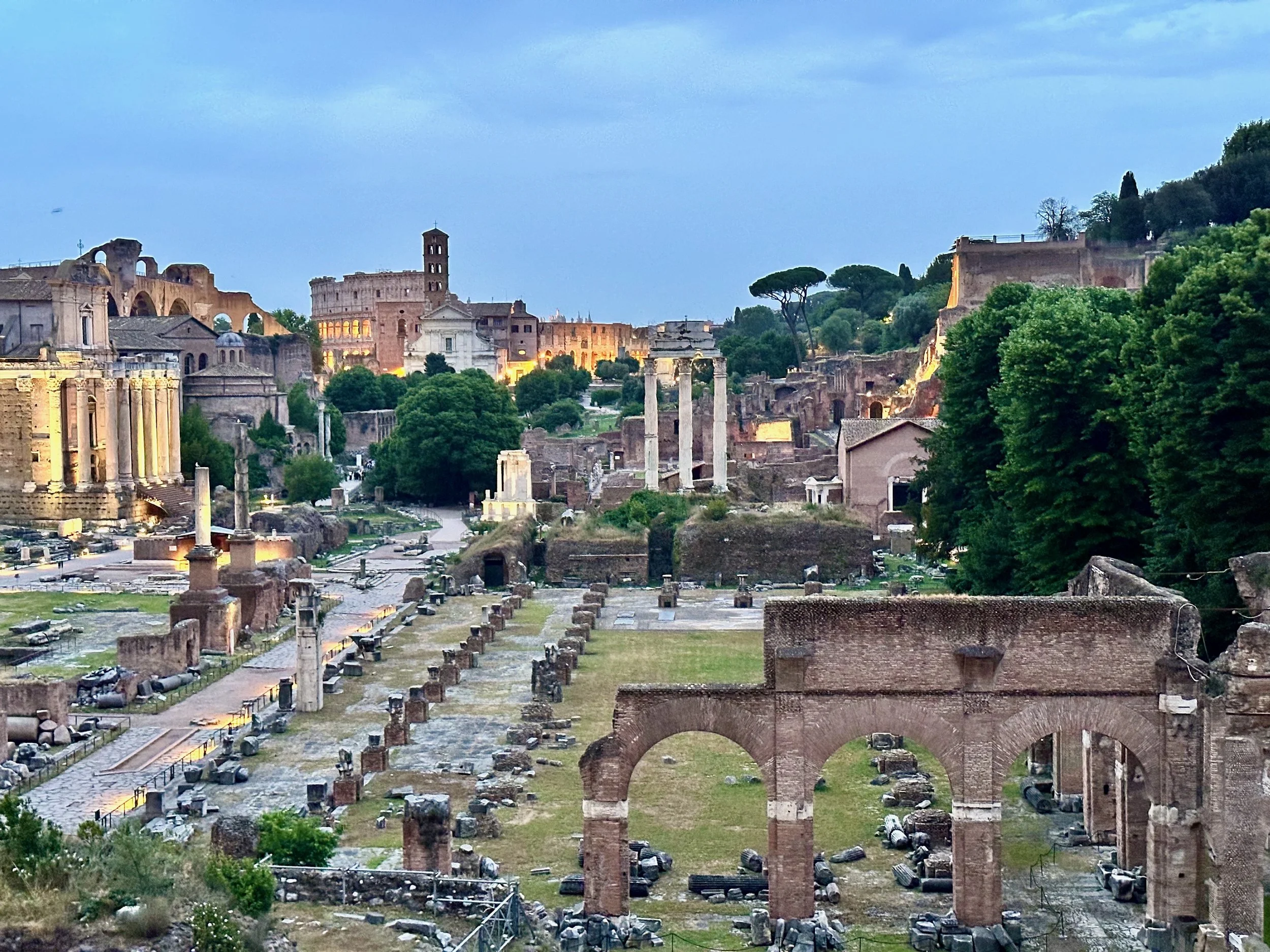
After the Colosseum, head directly into the Forum. This is where Rome shifts from iconic to immersive. Without context, it’s a field of ruins. With even a basic audio guide, you start to see the political and social center of an empire come back into focus.
As you exit the Forum, make your way toward Capitoline Hill instead of heading deeper into Palatine.
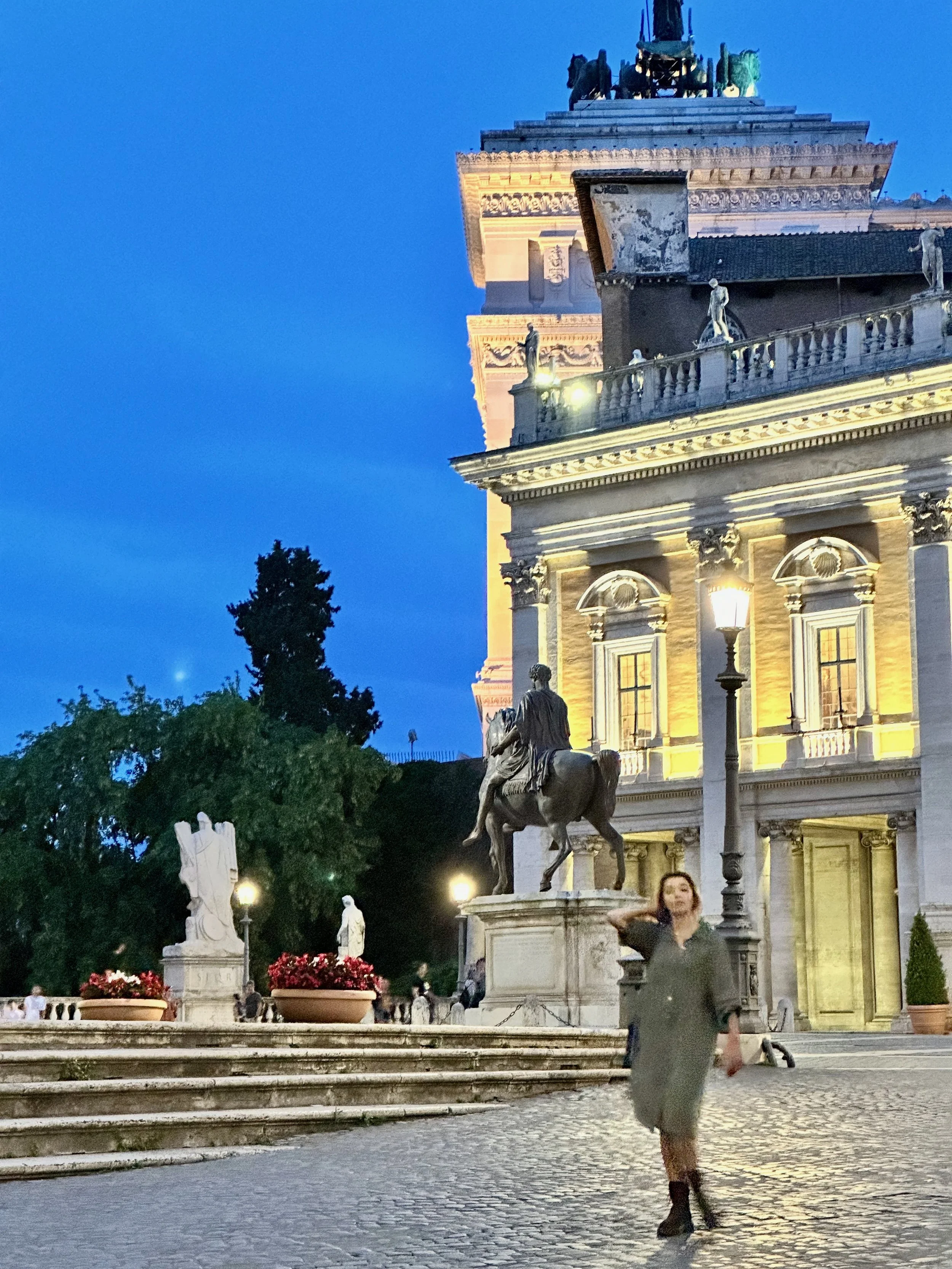
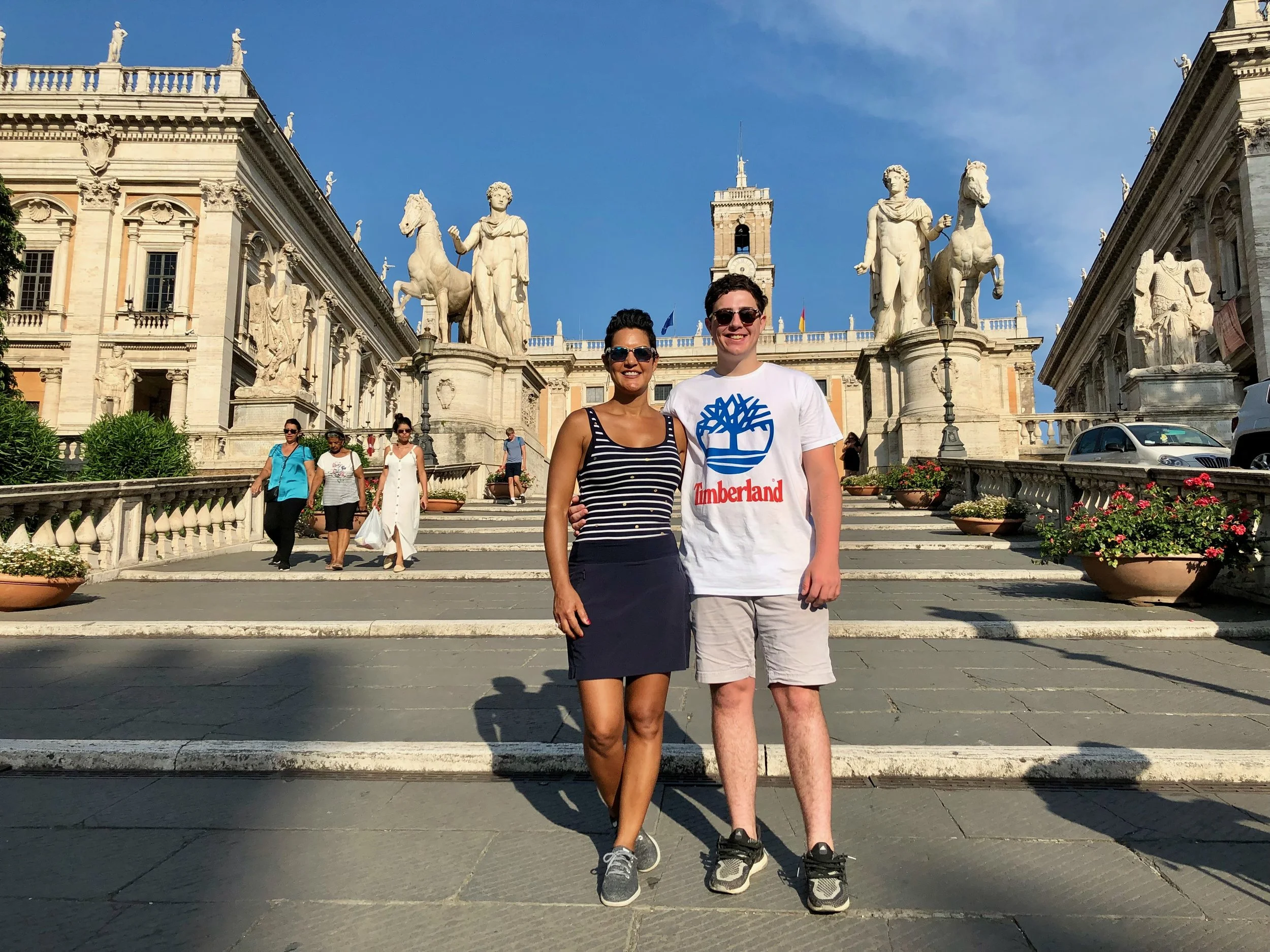
Climb up into Piazza del Campidoglio, one of the more refined spaces in the city, designed by Michelangelo. From the back side of the hill, you’ll get one of the best views over the Roman Forum. It’s elevated, framed, and far less crowded than most vantage points.
On your way down, pass by Altare della Patria. It’s imposing, a bit controversial architecturally, but worth seeing up close, especially if you head up to the terrace for a sweeping view back over the city.
If you prefer, you can reverse the order of the day—starting at the Forum and ending at the Colosseum. It creates a more narrative build, but either direction works well.
Dinner that night is at Vinando. No need to overthink it…the black truffle gnocchi is the move.
Why This One Works
Rome rewards structure in the morning and flexibility in the afternoon. This itinerary leans into that.
You hit the major sights without rushing them, avoid the worst of the crowds where it matters, and leave enough space for the moments that people remember most…the ones you didn’t plan.
We’ve tried to tweak it over the years. Add things, swap things out.
We keep coming back to this.