Experiencing different cultures was always important to both Patrick and me, although we came to that belief from very different backgrounds.
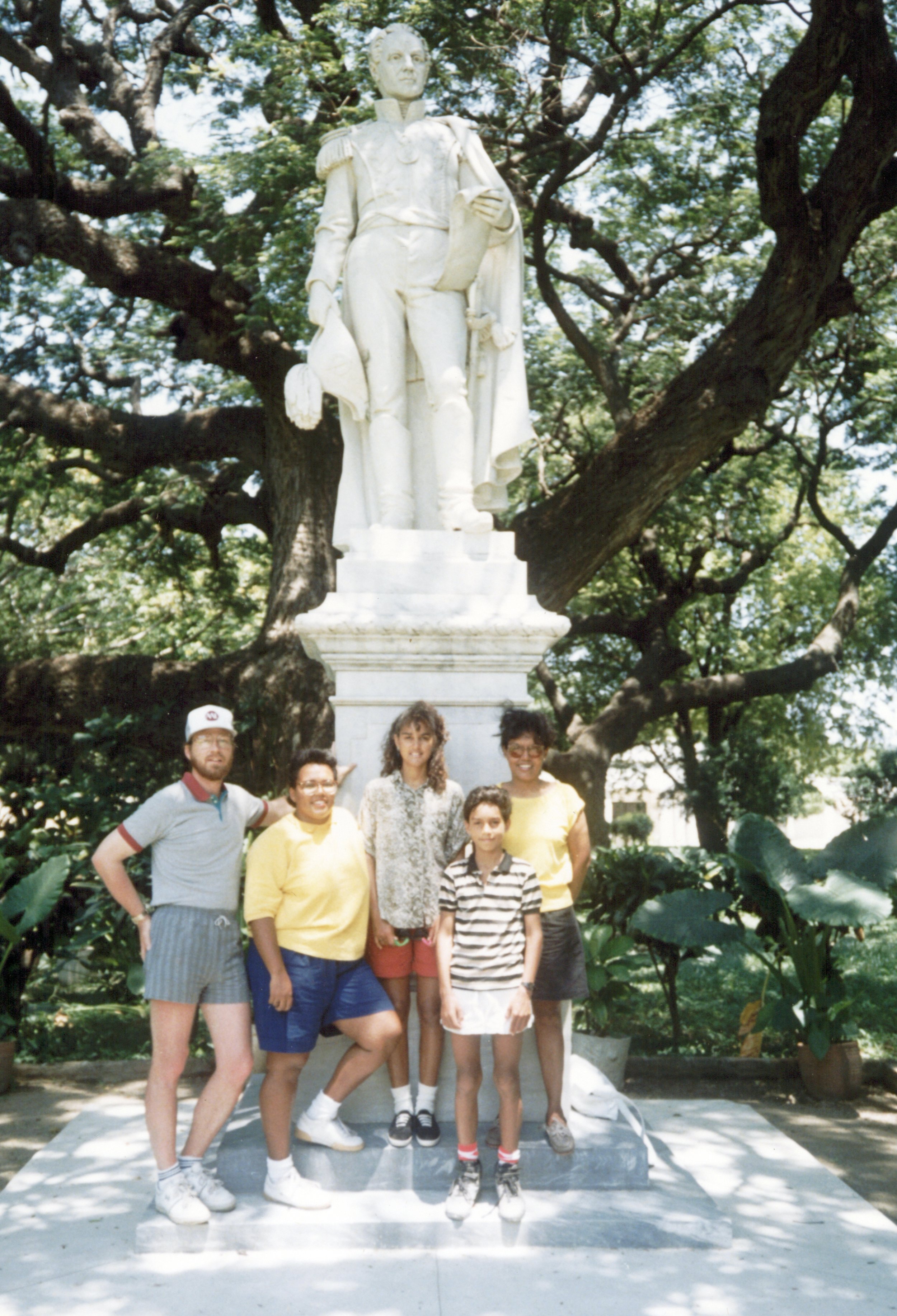
I spent much of my childhood growing up in Bogotá, Colombia, and looking back, that experience helped shape who I am today. Living in another country taught me that there are different ways of doing things, different ways of thinking, and different perspectives on life. Those lessons stay with you long after you leave.
Patrick’s upbringing was almost the complete opposite. He grew up in Milwaukee and had only been on an airplane once before graduating from college. However, he had a grandmother who was a world traveler and constantly shared stories from her adventures around the globe. He was supposed to spend his junior spring semester studying in Salzburg, Austria, but the program was canceled less than a week before departure because of the outbreak of the First Gulf War. A couple of years after college, he backpacked through Europe and caught the travel bug hard.
When we got married, travel was something we prioritized and saved for. As our family grew, we realized that our careers were probably not going to take us on foreign assignments or move us around the world. If we wanted our children to experience different cultures, languages, and ways of life, we were going to have to create those opportunities ourselves.
So Patrick did what planners do and built a spreadsheet. Not a spreadsheet for our next vacation, but a spreadsheet that mapped out nearly ten years of family travel.
The goal was simple. We wanted to gradually expose our children to travel, different cultures, and new experiences with the hope that one day they might have the confidence and desire to study abroad themselves.
The plan was largely based on age. We waited until Dylan was 10, Daniel was 8, and Cecilia was 5. We wanted each child to be old enough to tolerate long, unpredictable days, remember the experiences and get something meaningful out of them. Starting that year, we planned one major family trip each year.
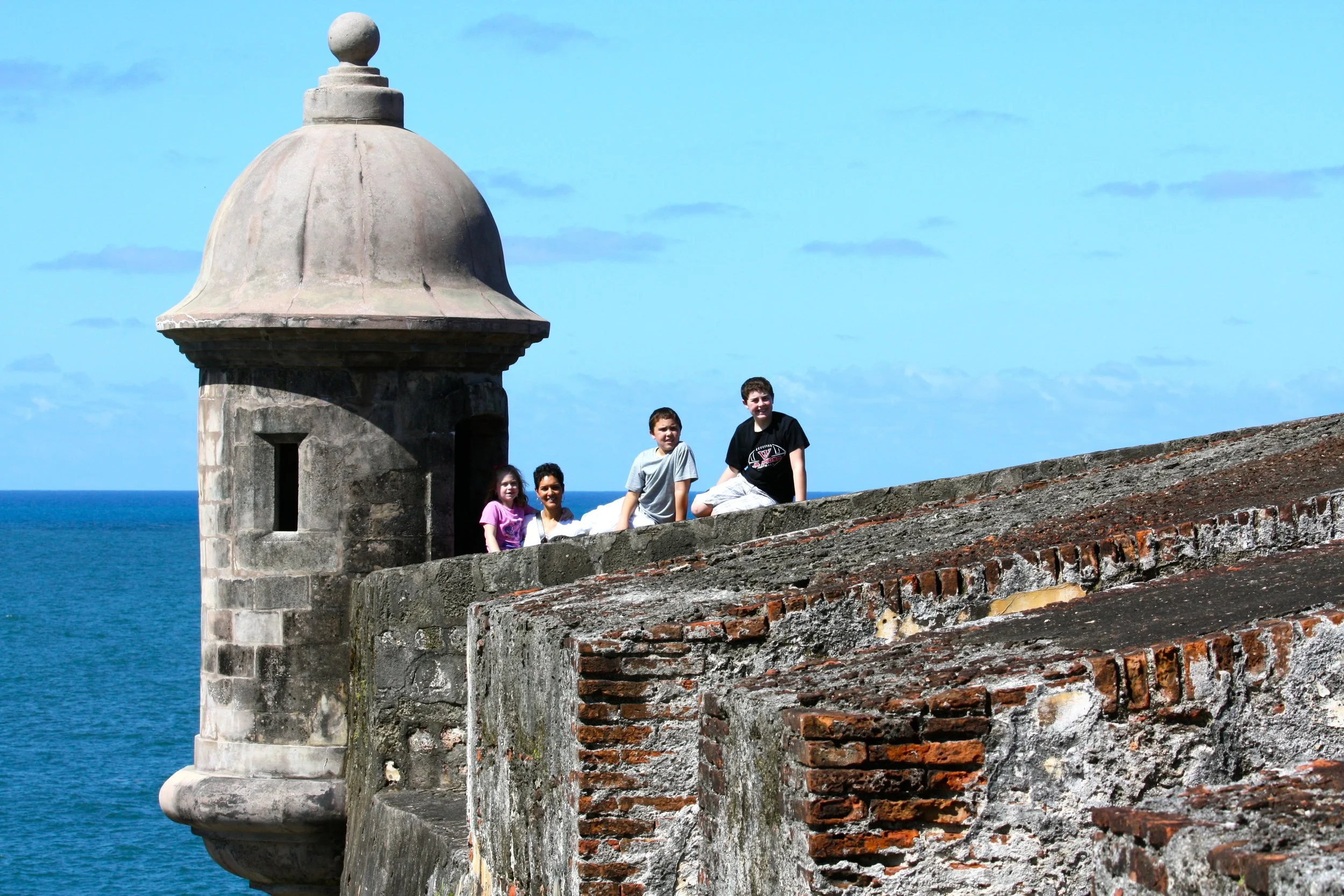
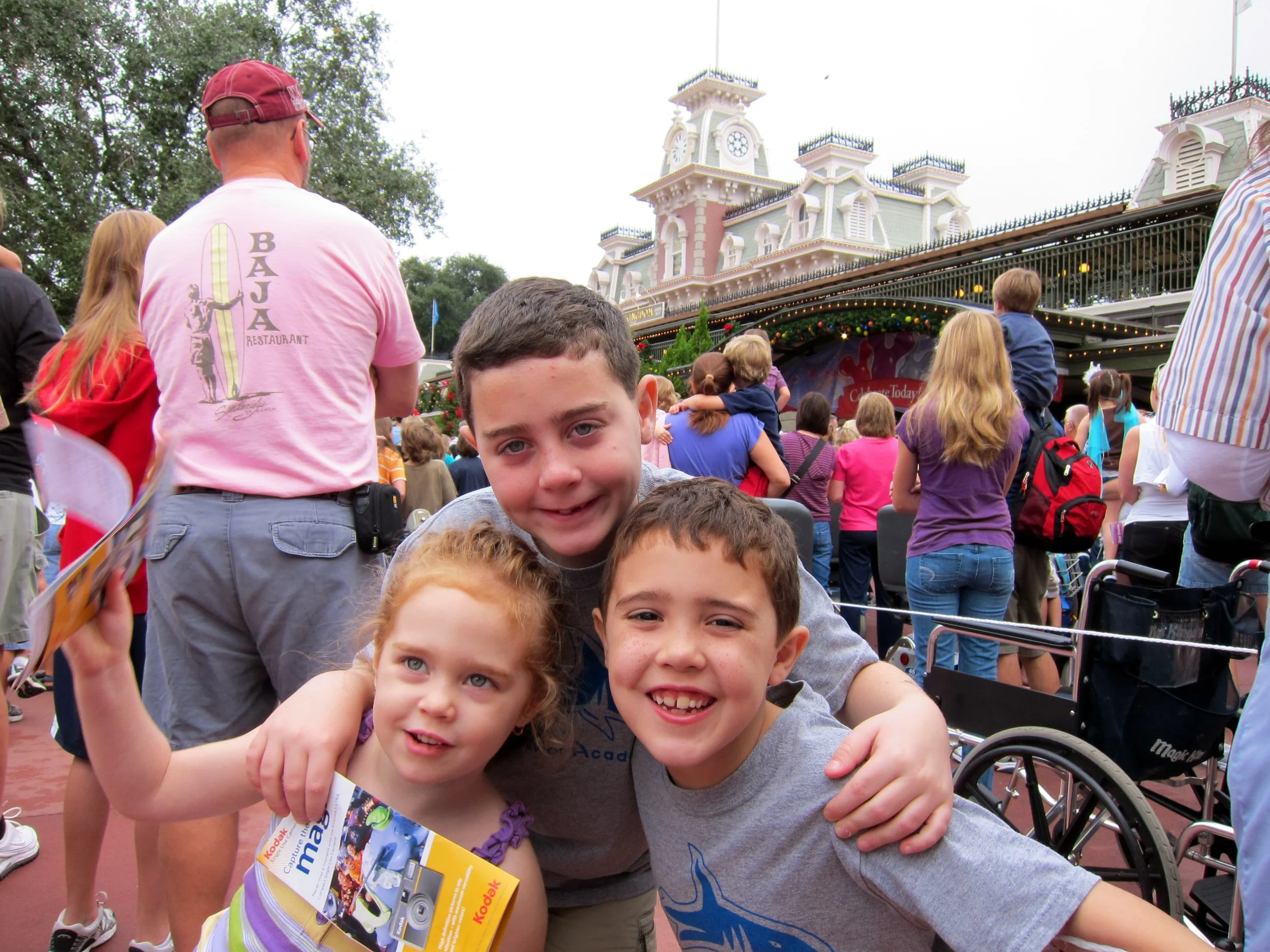
We started easy. The first trip was Disney. Then Puerto Rico. Then San Francisco with another family.
That San Francisco trip turned out to be a bit of a wake-up call for us.
Patrick and I have always been go-go travelers. We get up early, see the sights, walk for miles, and generally don’t stop moving except for a coffee or cocktail break. The kids were absolute troopers and walked all over San Francisco with us, but they weren’t exactly enjoying it.
What we learned was that kids need downtime. They wanted to watch TV, scroll their phones, relax, and simply be kids. We realized that if we wanted them to enjoy travel, we couldn’t force them to travel exactly the way we did. That lesson shaped almost every family trip that followed.
The next year we went to Hawaii, which naturally lent itself to slowing down and spending time at the beach and pool. The following year we visited Washington, D.C., and that was really where the rubber met the road. We could easily have spent all day exploring museums and monuments, but instead we tried to balance an active morning with a more relaxing afternoon, or vice versa. We found a pace that worked for both us and the kids. To this day, it’s either a busy day or a “chill" day. They know what that means and manage themselves accordingly.
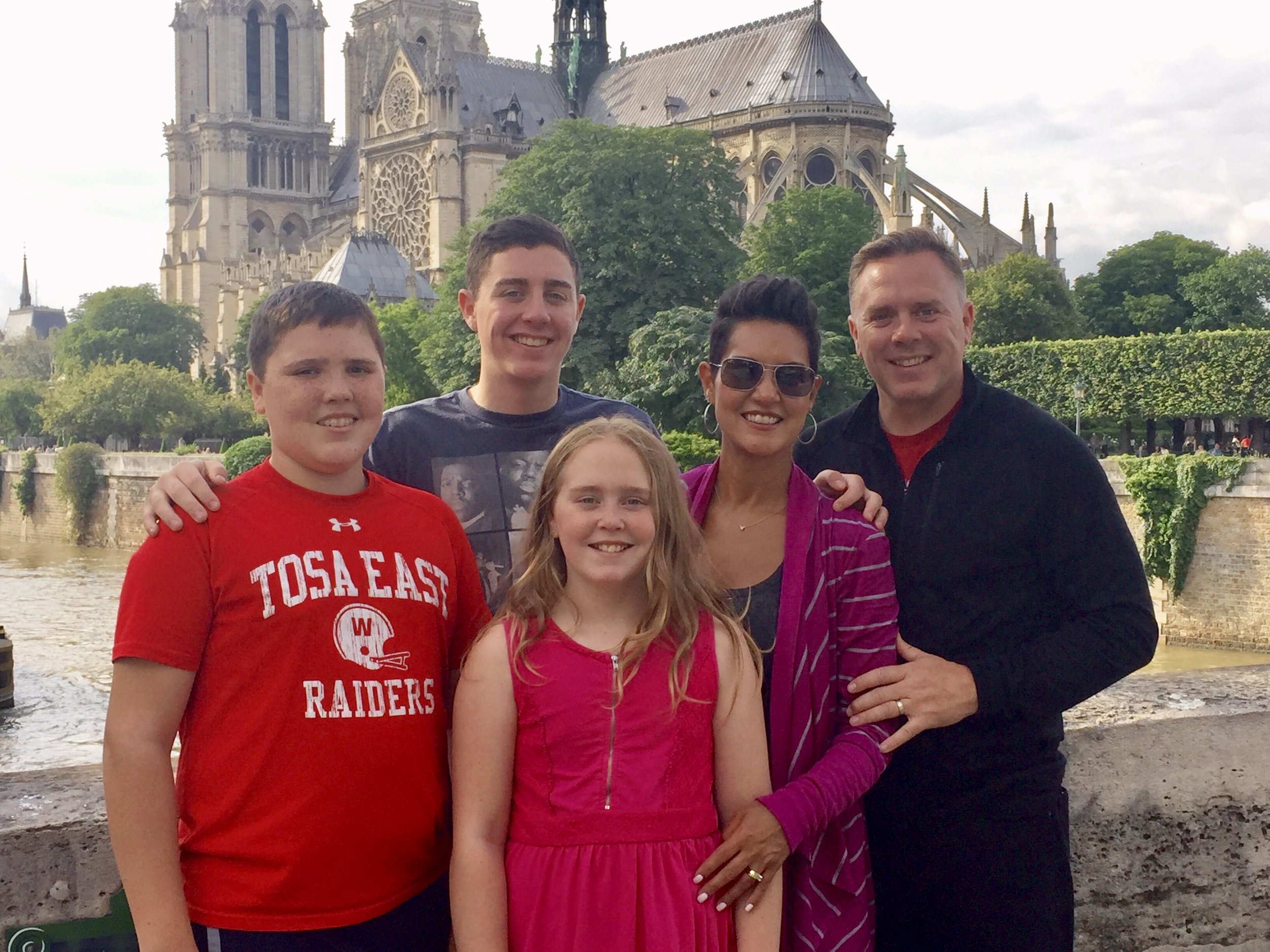
The following year was our first trip overseas together, and we chose France. We figured Paris would be the easiest European city for the kids to connect with because so many of the sights were already familiar to them. We were excited to show them the Eiffel Tower, Notre-Dame, the Louvre, Sacré-Cœur, and all of the things that make Paris special.
At the same time, we remembered our lesson from San Francisco.
Fortunately, our Airbnb was directly across the street from a small restaurant. On two different nights, we bought the kids sandwiches, let them stay back at the apartment to watch movies and relax, and Patrick and I walked across the street for a quiet dinner by ourselves. I still remember sitting there, clinking our wine glasses, and thinking, “We’ve finally made it.”
That trip also included a side excursion to Normandy, where we spent a full day visiting the D-Day sites. Those are the kinds of educational experiences that simply can’t be replicated in a classroom or textbook.
The funny thing happened on the flight home. Patrick privately asked each of the kids what their favorite part of the trip had been. We were expecting answers like the Eiffel Tower, Notre-Dame, Normandy, or maybe the Louvre.
Instead, every single one of them gave the exact same answer: the crepes.
We honestly thought we had failed. We had spent all this money taking them halfway around the world to experience history, culture, art, and architecture, and what they remembered most were the crepes. But all of those experiences were under the surface, in their subconscious.
Over the following year, all three of them would bring up different memories from the trip. One talked about the stained glass at Sainte-Chapelle. Another mentioned the American Cemetery in Normandy. Someone else remembered the views from the Eiffel Tower. The lessons had stuck. It simply took time for them to process everything they had experienced.
Over the following years we continued traveling as a family, including trips to Puerto Vallarta, Spain, and back to Hawaii before Dylan graduated from high school.
Then another travel tradition unexpectedly entered our lives.
During one of our couples trips, Patrick and I were sitting in a pub in Bruges, Belgium, talking with an older couple and their 22-year-old granddaughter. By pure chance, they were from Wisconsin. They told us about a family tradition of taking each grandchild on a European trip after college graduation.
We loved the idea, and by the time we finished our drinks we had decided to create our own version. Instead of college graduation, we would do it after high school graduation.
Our reasoning was twofold. First, after college many young adults start jobs immediately and may not have the flexibility for an extended trip. Second, we viewed the period between high school and college as our last opportunity to spend meaningful one-on-one time with our children before they fully launched into adulthood.
There was also another reason. We wanted one final opportunity to expose them to international travel before college and hopefully give them the confidence to do it on their own if they ever chose to study abroad.
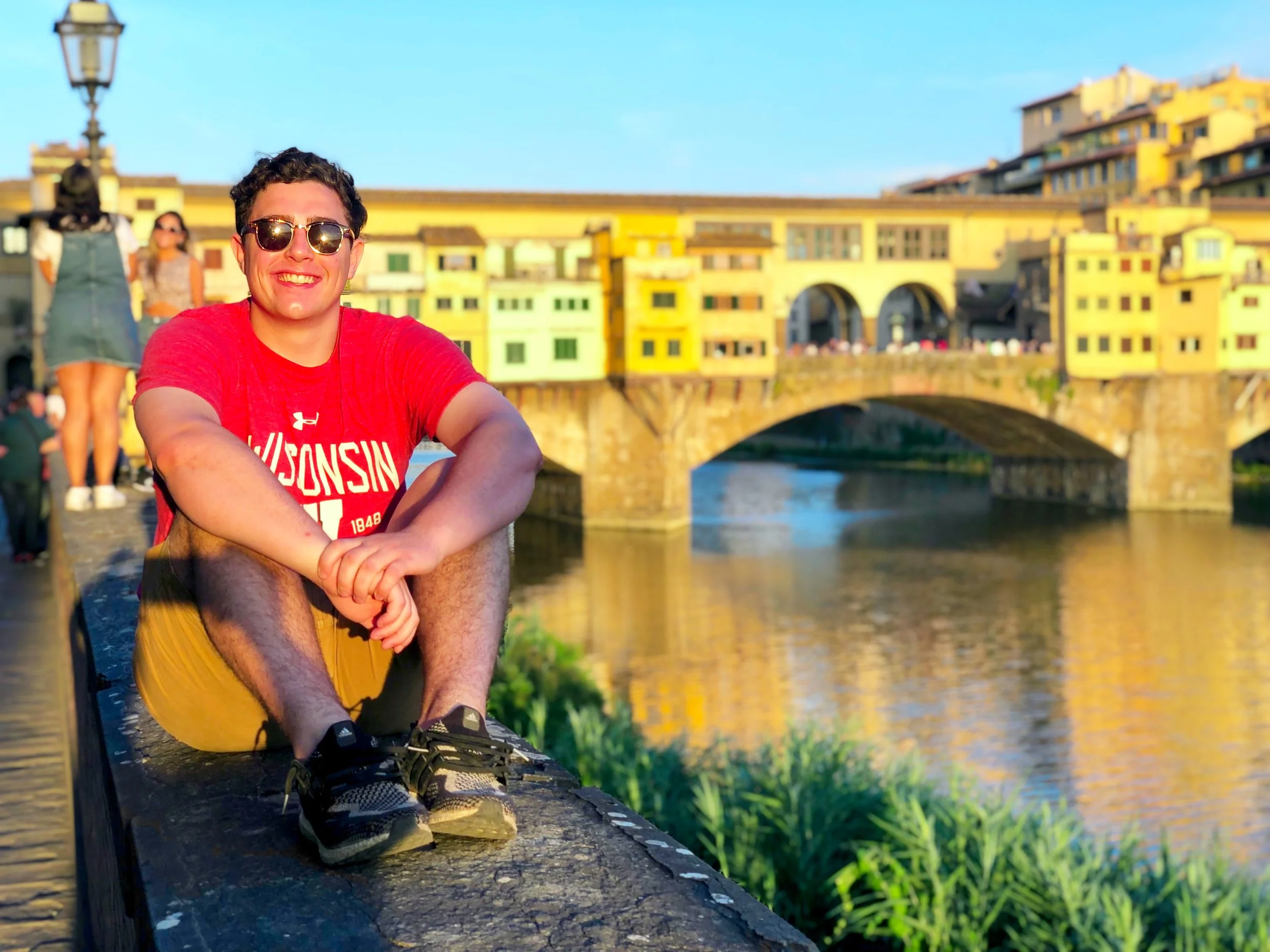
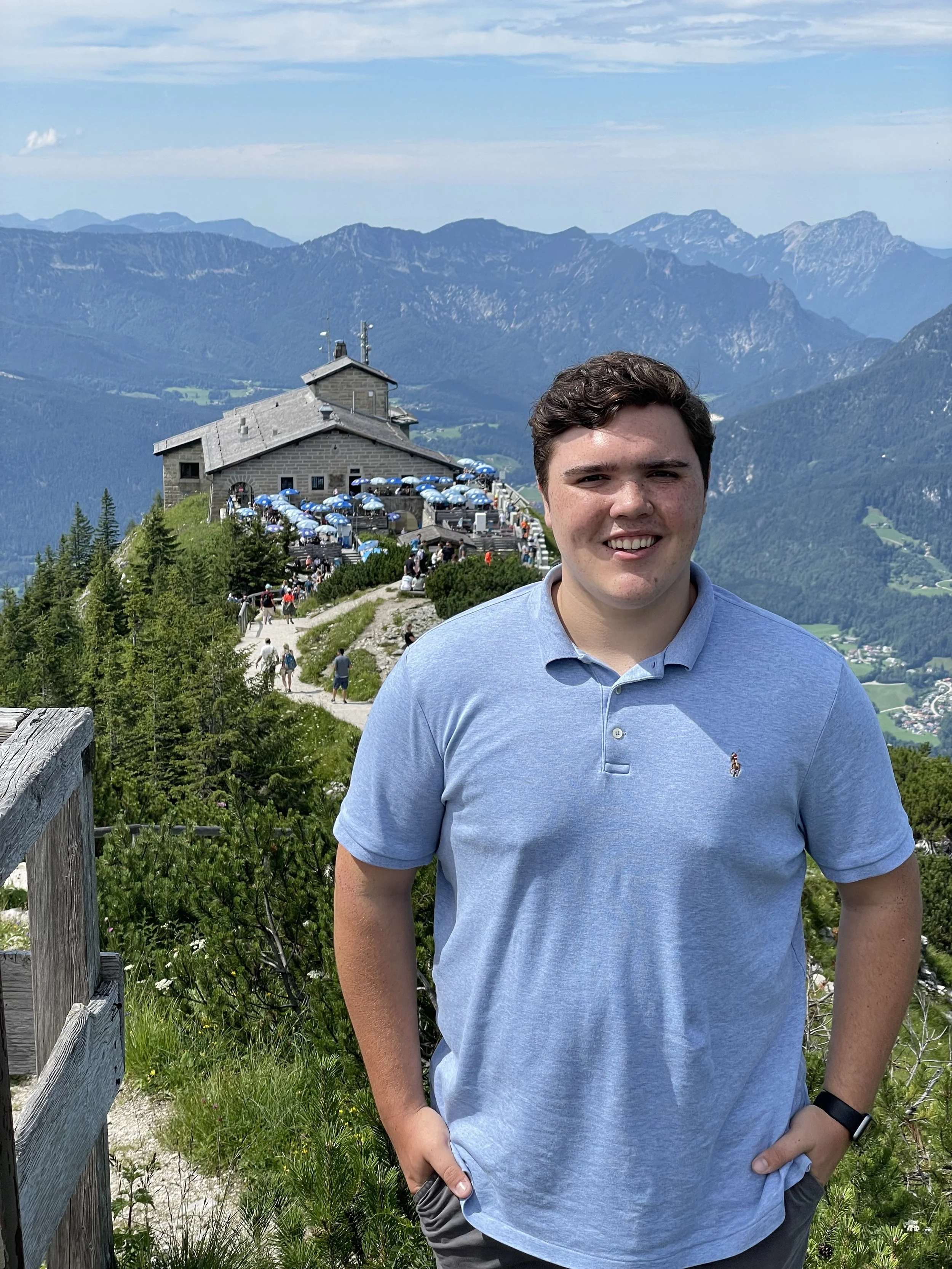
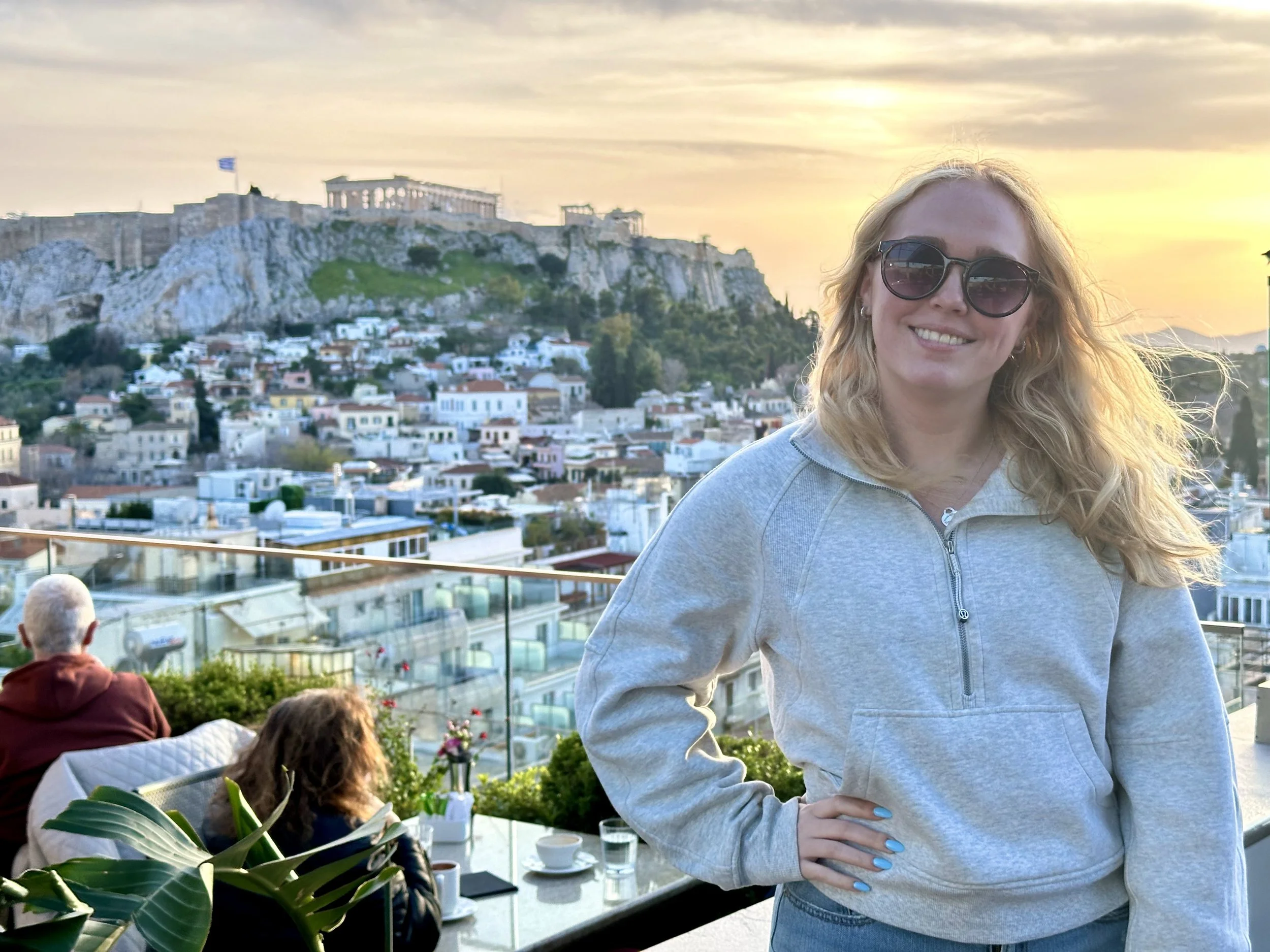
Those graduation trips turned out to be magical. Dylan chose Prague, Venice and Rome. Daniel chose Munich, Salzburg, Bratislava, and a few places in Switzerland. Cecilia chose Rome, Malta, and Athens.
Spending ten days traveling with just one child was an entirely different experience than traveling as a family. We had adult conversations about life, goals, relationships, and the future. We had fun together as friends, not just as parents and children. Without siblings around, there were no arguments over where to eat, who got the bigger room, or who was annoying whom.
We also intentionally gave the kids more responsibility while we were traveling.
How do we buy subway tickets?
Which direction do we go now?
How do you use an ATM?
How do we navigate the train system?
We wanted them to build confidence. We wanted them to see that international travel wasn’t something mysterious or intimidating. We wanted them to understand that they could absolutely do this on their own someday.
In the end, that was exactly what happened.
All three of our children chose to study abroad.
Dylan and Daniel both spent the spring semester of their junior year studying in Rome. Because Cecilia is a nursing student, a traditional semester abroad wasn’t practical. However, Xavier offered a six-week summer program that fit perfectly with her curriculum. By chance, it was also in Rome.
All three of them have loved their experiences abroad and will tell you they grew tremendously because of them.
When Patrick built that spreadsheet all those years ago, the goal wasn’t to create future world travelers. We simply wanted to expose our kids to different cultures, different languages, and different ways of seeing the world. We wanted them to be comfortable stepping outside their comfort zones and confident enough to navigate unfamiliar situations on their own.
Looking back now and seeing all three choose to study abroad, it’s hard not to feel that the plan worked even better than we imagined.
We are true believers that travel changes people. You see the world differently. You see other people differently. History and culture come alive in ways they never can through a screen or a textbook. Travel teaches adaptability, confidence, and independence. It reminds us that there is a very big world beyond our own neighborhoods and routines.
We are incredibly grateful that we had the means, time, and opportunity to expose our children to that world. We are equally grateful that they embraced travel and international experiences as enthusiastically as we did.
If this is something that is important to you as a parent, we believe the effort, time, and money are worth it. Not because your children will remember every museum, monument, or historical site they visit. They may come home talking mostly about the crepes.
But years later, when they are confidently boarding a plane to spend a semester in another country, navigating a foreign city on their own, and building friendships with people from around the world, you’ll realize that all those family trips were about much more than vacations.
At least for us, they were an investment in helping our children become more confident, capable, and curious adults. Looking back, it may be the best investment we ever made in our children.